Countdown Ville: A Vintage Blackletter for Modern Design
In an era where digital interfaces often prioritize minimalism and legibility above all else, there remains a persistent demand for typefaces that evoke history, craftsmanship, and distinct character. Among the tools available to designers seeking this specific aesthetic, Countdown Ville has emerged as a compelling option. It is not merely a font; it is a stylistic statement rooted in the blackletter tradition yet adapted for contemporary display purposes. For professionals ranging from branding specialists to independent creators, understanding the nuances of such a specialized typeface is essential for making informed decisions about visual communication.
This analysis examines Countdown Ville through the lens of practical application, evaluating its design integrity, versatility, and suitability for various creative projects. The goal is to provide a clear picture of how this vintage-inspired typeface functions in real-world scenarios, helping you determine if it aligns with your specific design goals and audience expectations.
The Aesthetic Identity of Countdown Ville
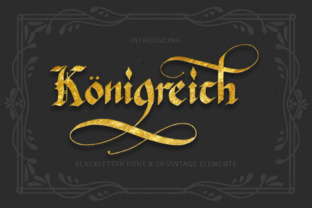
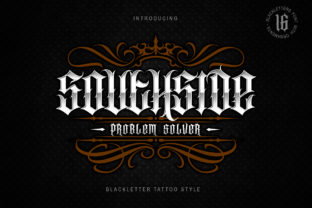
At its core, Countdown Ville is a blackletter font. Blackletter, also known as Gothic script or Old English, originated in the 12th century and was widely used in Western Europe for centuries. While traditional blackletter can be dense, heavy, and difficult to read at small sizes, modern interpretations like Countdown Ville have been refined to balance historical authenticity with contemporary usability.
The font presents itself as gorgeous and stylish, capturing the ornate complexity of medieval calligraphy without sacrificing structural clarity. Its sharp angles and intricate details make it stunning for large-scale displays. However, this beauty comes with inherent limitations regarding scale and context. Unlike sans-serif fonts designed for body text, Countdown Ville commands attention through its presence rather than its subtlety. It is inherently decorative, which defines its primary utility.
What distinguishes Countdown Ville from other blackletter options is its adaptability. It bridges the gap between retro nostalgia and modern creativity. This duality allows it to fit into diverse design languages, from classic heritage branding to edgy, contemporary streetwear aesthetics. The font’s ability to straddle these two worlds makes it a valuable asset for designers looking to inject a sense of timelessness or rebellion into their work.
Key Characteristics and Design Strengths
When evaluating any typeface, one must look beyond initial impressions to examine technical execution. Countdown Ville exhibits several key characteristics that contribute to its effectiveness:
- Visual Impact: The high contrast between thick and thin strokes creates a dynamic visual rhythm. This contrast draws the eye immediately, making it ideal for headlines, logos, and poster art where grabbing attention is paramount.
- Stylistic Versatility: Despite its historical roots, the font does not feel archaic. Its clean lines and precise geometry allow it to integrate seamlessly with modern graphic elements. This makes it suitable for both retro designs that aim for authenticity and modern projects that seek a vintage touch.
- Bonus Ornaments: A significant value-add included in the download is a set of bonus ornaments. These decorative elements are not mere afterthoughts; they are carefully designed to complement the main typeface. They allow for beautifully stylized designs, enabling creators to add flourishes, borders, or accents that enhance the overall composition without needing to source external graphics.
The inclusion of these ornaments speaks to the thoughtful packaging of the font. In professional design workflows, consistency is crucial. Having matching decorative elements ensures that the entire visual identity remains cohesive, reducing the need to mix disparate assets that might clash stylistically.
Practical Applications and Use Cases
Understanding where Countdown Ville performs best requires analyzing its strengths against common design challenges. Due to its complex structure, it is ill-suited for long-form body copy. Attempting to use it for paragraphs of text would result in poor readability and visual fatigue. Instead, its power lies in short, impactful applications.
Branding and Logo Design
For small business owners and entrepreneurs, establishing a memorable brand identity is critical. Countdown Ville offers a distinctive voice that stands out in crowded markets. It is particularly effective for brands in the craft beer industry, tattoo parlors, music festivals, or artisanal food producers who wish to convey tradition, quality, or a rebellious spirit. The font’s boldness ensures that logos remain legible even when scaled down for social media avatars or merchandise tags.
Event Posters and Promotional Materials
Educators, marketers, and event organizers often need to create flyers, posters, or digital banners that capture immediate interest. Countdown Ville excels in these contexts. Its dramatic appearance adds weight and importance to announcements. When paired with appropriate imagery—such as vintage photography, textured backgrounds, or minimalist layouts—the font becomes the focal point of the design, guiding the viewer’s eye effectively.
Editorial and Publishing
In the realm of blogging and publishing, typography plays a subtle but vital role in setting the tone. While Countdown Ville should not be used for article text, it can serve as an excellent choice for pull quotes, section headers, or chapter titles in magazines, e-books, or newsletters. This selective usage enhances the visual hierarchy of the content, breaking up text blocks and adding a layer of sophistication.
Evaluating Quality and Usability
From a technical standpoint, the quality of a font is determined by its kerning, spacing, and glyph completeness. Countdown Ville demonstrates a high level of craftsmanship in these areas. The spacing between letters is generally well-calibrated, preventing the tight clustering that can plague many blackletter fonts. This attention to detail ensures that the text remains readable even at larger sizes.
However, usability also depends on the designer’s skill. Using a decorative font like Countdown Ville requires a good eye for balance and composition. Because the font is visually heavy, it leaves little room for error in layout design. Overcrowding the page with too much blackletter text can overwhelm the viewer. Successful implementation often involves pairing Countdown Ville with simple, neutral typefaces for supporting information. This contrast highlights the decorative nature of the headline while maintaining functional readability for secondary text.
Reliability is another factor. As a digital font file, Countdown Ville should render consistently across different platforms and devices. Designers should test the font in various environments to ensure that fine details do not get lost on lower-resolution screens. Generally, vector-based font formats (such as OTF or TTF) handle scaling well, preserving the crisp edges that define the blackletter style.
Potential Limitations and Considerations
No typeface is universally applicable, and Countdown Ville is no exception. Its primary limitation is its narrow scope. If your project requires a wide range of typographic voices—from friendly and approachable to corporate and serious—Countdown Ville will not suffice. It carries a strong emotional charge that may not align with every brand personality. For instance, a healthcare provider or a financial institution might find the font too aggressive or informal for their needs.
Additionally, the novelty of blackletter can wear off if overused. In a market saturated with similar vintage styles, relying solely on this font might make a design feel generic rather than unique. To avoid this, designers should leverage the bonus ornaments creatively and combine the font with unconventional color palettes or layout structures. This approach ensures that the final output feels fresh and tailored to the specific project.
Who Should Consider Countdown Ville?
Countdown Ville is best suited for individuals who appreciate the intersection of history and modern design. Freelancers and agencies working on heritage brands, entertainment events, or lifestyle products will find it particularly useful. Serious hobbyists engaged in scrapbooking, zine-making, or custom merchandising may also enjoy the added value of the bonus ornaments.
For educators teaching design principles, it serves as an excellent case study in the effective use of display typography. It illustrates how a single font choice can dictate the mood and direction of an entire project. By experimenting with Countdown Ville, students can learn about contrast, hierarchy, and the importance of restraint in decorative design.
Final Thoughts on Value and Longevity
The long-term value of Countdown Ville lies in its timeless appeal. Trends in graphic design come and go, but the allure of blackletter has persisted for decades because it connects us to a sense of heritage and craftsmanship. As consumer preferences increasingly favor authenticity and handcrafted aesthetics, fonts like Countdown Ville remain relevant.
For those looking to expand their design toolkit, this font offers a robust solution for specific needs. It is not a replacement for standard body fonts, but rather a powerful accent that elevates visual storytelling. With its stunning style, practical bonus features, and broad applicability within the display category, Countdown Ville proves to be a worthy investment for anyone committed to creating impactful, memorable designs. Whether you are launching a new brand or refreshing an existing one, considering the unique character of Countdown Ville could be the key to unlocking a more distinctive visual identity.