King Armored: Why This Striking Blackletter Font Is the Secret Weapon for Bold Branding
If you have ever scrolled through social media feeds, browsed craft fairs, or flipped through a high-end menu, you have likely encountered typography that demands attention without saying a word. Among the vast ocean of typefaces available to designers and creators, King Armored has carved out a distinct niche. It is not just another decorative font; it is a statement piece. Characterized by its heavy, imposing structure and unique letterforms, this striking blackletter style brings an immediate sense of history, strength, and sophistication to any project.
For professionals aged 20 to 50 who are constantly searching for ways to elevate their visual communication, understanding when and how to use King Armored can be the difference between a forgettable design and one that lingers in the mind. This is not about using every fancy font on your computer; it is about strategic selection. Here is a practical look at why King Armored stands out and where it shines brightest in the real world.
The Anatomy of Authority
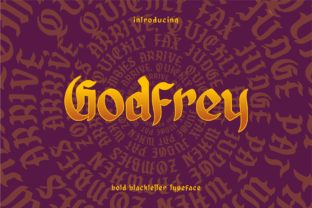
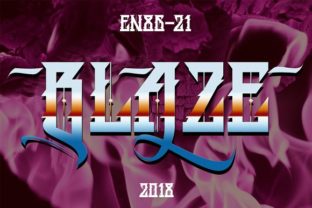
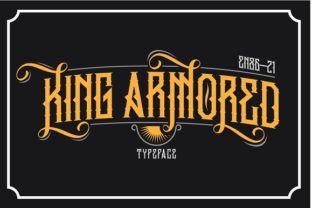
Before diving into specific use cases, it helps to understand what makes King Armored tick. As a blackletter typeface, it draws inspiration from medieval manuscripts and Gothic calligraphy. However, unlike some historical revivals that can feel stiff or overly academic, King Armored offers a modern twist. Its letters are bold, with sharp angles and thick strokes that create a visual weight similar to armor plating—hence the name.
This structural integrity gives the font a natural authority. When you see text rendered in King Armored, your brain registers it as serious, established, and premium. It does not whisper; it declares. For brands looking to communicate heritage, resilience, or exclusivity, this visual cue is invaluable. The unique shapes of the letters add character, ensuring that even simple words like "Menu" or "Welcome" feel curated and intentional.
Real-World Applications: Where King Armored Fits In
The versatility of a font often lies in its ability to adapt to different contexts. While blackletter fonts can sometimes veer into cliché territory (think overly generic rock band logos), King Armored’s refined execution allows it to work in sophisticated environments. Let’s explore how different industries are leveraging this typeface.
Food and Beverage: Elevating the Dining Experience
Perhaps the most common and effective use of King Armored is in the culinary world. Whether it is a craft brewery, a gastropub, or an upscale steakhouse, the font resonates with themes of tradition and robust flavor. Imagine a beer label where the brand name is set in King Armored against a matte black background. The contrast creates an instant hook on the shelf. Similarly, for restaurant menus, using the font for section headers—like "Starters," "Mains," or "Desserts"—adds a layer of elegance that standard serif fonts might lack. It signals to the diner that the establishment takes pride in its offerings.
Beyond print, this aesthetic translates well to digital signage in hospitality venues. A digital menu board featuring King Armored for key items can guide customer eyes effectively, creating a hierarchy of information that feels both modern and classic.
Fashion and Apparel: Streetwear Meets Heritage
In the fashion industry, particularly within streetwear and lifestyle brands, typography is often the logo. King Armored provides a perfect bridge between urban edge and timeless style. Brands aiming for a "heritage" vibe—those that want to appear established even if they are new—find this font incredibly useful. T-shirts, hoodies, and caps featuring King Armored text often sell better because the font itself acts as a graphic element. It looks good even when printed in monochrome.
Furthermore, luxury accessories brands sometimes incorporate subtle blackletter accents to suggest craftsmanship. A leather wallet or a watch face might feature minimal text in King Armored to evoke a sense of bespoke quality. The font’s unique letters become part of the product’s identity, distinguishing it from mass-market competitors.
Events and Entertainment: Creating Atmosphere
When organizing events, whether it is a wedding, a corporate gala, or a music festival, the visual identity sets the tone. King Armored is excellent for creating an atmosphere of grandeur. For weddings, couples who want a gothic or vintage theme might use the font for invitations and place cards. It adds a touch of drama and romance that feels appropriate for formal occasions.
In entertainment, the font works well for posters and promotional materials for genres that benefit from a darker or more intense aesthetic. Think of jazz clubs, theater productions, or even certain types of gaming tournaments. The boldness of King Armored ensures that event details are readable from a distance while maintaining an artistic flair.
Who Benefits Most From This Typeface?
Different users approach King Armored with different goals. Understanding these perspectives can help you decide if it is the right tool for your next project.
- Graphic Designers: For designers, King Armored is a reliable asset in the toolkit. It solves the problem of needing a headline font that is both legible and distinctive. It pairs exceptionally well with clean sans-serif fonts for body text, allowing for a balanced layout where the heavy font handles the impact and the sans-serif handles the readability.
- Small Business Owners: If you own a boutique, a coffee shop, or a consultancy, you might not have a dedicated design team. Using King Armored in your Canva templates or social media graphics can instantly professionalize your brand. It gives small businesses a "big brand" feel without the need for complex custom illustrations.
- Hobbyists and Crafters: For those who use cutting machines like Cricut or Silhouette for DIY projects, King Armored is a favorite. It cuts cleanly and looks impressive on mugs, t-shirts, and signs. Its unique letters make home decor items feel custom-made rather than store-bought.
Practical Considerations and Limitations
While King Armored is powerful, it is not a universal solution. Like all design tools, it comes with caveats that, if ignored, can lead to poor results.
Readability is Key: Blackletter fonts are inherently difficult to read in long passages. Never use King Armored for paragraphs of text. It should be reserved for headlines, titles, logos, and short phrases. If you try to write a full paragraph in this font, your audience will struggle to process the information, leading to frustration and disengagement.
Context Matters: Because of its strong association with history and formality, King Armored may not suit every brand voice. A tech startup focused on speed and minimalism, or a children’s educational app, would likely find this font too heavy and outdated. It works best when the brand personality aligns with traits like strength, tradition, luxury, or boldness.
Pairing Challenges: Finding the right companion font is crucial. Since King Armored is visually loud, it needs a quiet partner. Simple, geometric sans-serifs or elegant serifs work best. Avoid pairing it with other decorative fonts, as this creates visual clutter and competes for the viewer’s attention.
Making the Choice
Choosing a font is more than picking something that looks cool; it is about communicating the right message. King Armored offers a compelling option for anyone looking to inject character and gravitas into their designs. Its unique letters and striking presence make it ideal for brands that want to stand out in a crowded marketplace.
Whether you are designing a logo for a new craft beer, creating invitations for a special event, or simply trying to make your Instagram posts pop, King Armored provides a versatile and impactful solution. By respecting its limitations and focusing on its strengths, you can harness the power of this blackletter font to create designs that are not only seen but remembered. In a world of fleeting trends, having a typeface with such enduring weight ensures your message remains solid and significant.