The Timeless Appeal of Bielefeld: Elevating Designs with Medieval Sophistication
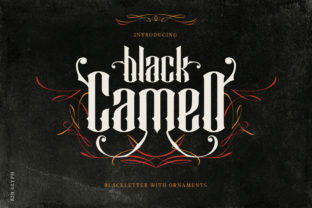
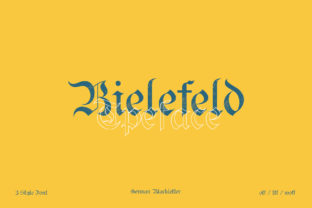
In an era where digital design is dominated by clean lines, minimalism, and sans-serif typography, there remains a powerful undercurrent of demand for fonts that carry weight, history, and character. Enter Bielefeld, a typeface that does not merely sit on the screen but commands attention with its bold, blackletter heritage. It is more than just a font; it is a stylistic statement that bridges the gap between medieval tradition and contemporary visual communication.
For designers, developers, and creative directors seeking to inject a sense of gravitas or historical intrigue into their projects, understanding the nuances of Bielefeld is essential. This article explores why this classic typeface continues to be a go-to choice for specific aesthetic needs and how it can be effectively integrated into modern workflows without feeling out of place.
Understanding the Blackletter Tradition
To appreciate Bielefeld, one must first understand the category it inhabits: blackletter. Also known as Gothic script or Old English, blackletter originated in Western Europe during the 12th century. It was the dominant script for writing in Germany and surrounding regions for centuries, famously used in early printed books, including Gutenberg’s Bible. The style is characterized by its dense, angular forms and high contrast between thick and thin strokes.
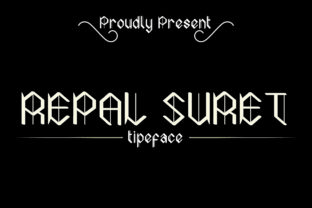
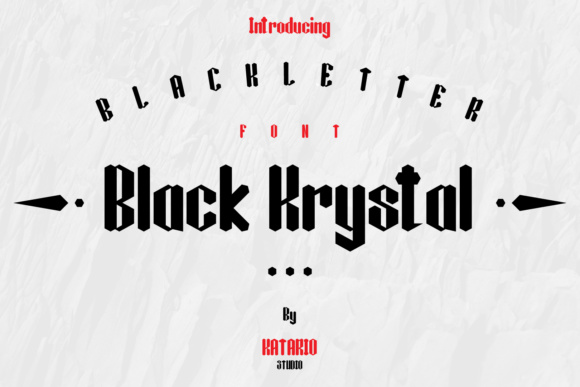
Bielefeld captures the essence of this tradition while refining it for modern eyes. Unlike some historically accurate reproductions that can be difficult to read at small sizes, Bielefeld strikes a balance. It retains the sophisticated and bold feel of its ancestors but offers enough clarity to be functional. This makes it a versatile tool rather than a novelty item. When you choose Bielefeld, you are invoking a sense of authority, tradition, and craftsmanship.
Key Characteristics of Bielefeld
- Bold Weight: The font is inherently heavy, making it excellent for headlines and display text where impact is crucial.
- Medieval Aesthetic: Its angularity and structure evoke the feeling of illuminated manuscripts and ancient heraldry.
- Sophisticated Detail: The letterforms are carefully crafted to avoid looking crude or overly rustic, maintaining a level of elegance suitable for high-end branding.
- Versatility within Niche: While it screams "medieval," its clean execution allows it to pair surprisingly well with modern sans-serifs for body text.
Practical Applications in Modern Design
One might assume that a blackletter font like Bielefeld is limited to Halloween decorations or beer labels. While those are valid use cases, the scope of its application is far broader. In today’s market, brands often look for ways to stand out in crowded digital spaces. Using a distinctive typeface can be a key differentiator.
Branding and Identity
Imagine a craft brewery launching a new premium stout. The packaging needs to convey quality, tradition, and robustness. Bielefeld provides that immediate visual cue. Similarly, a law firm specializing in historical preservation or a boutique hotel in a historic district might use Bielefeld for its logo to signal heritage and trustworthiness. The font acts as a visual shorthand for these values.
However, the key to success here is restraint. Using Bielefeld for long paragraphs of text will likely frustrate users. Instead, reserve it for:
- Logos and Wordmarks: Where the shape of the letters contributes to brand recognition.
- Headlines: To grab attention on landing pages or posters.
- Accents: Used sparingly in quotes, pull-quotes, or section dividers to add texture.
Web Design and User Experience
In web design, readability is paramount. Google’s algorithms favor user experience, and if visitors struggle to read your content, they will leave. This is where strategic pairing comes into play. Bielefeld serves as an excellent partner to clean, geometric sans-serif fonts like Helvetica, Roboto, or Open Sans.
Consider a website for a traditional German restaurant. You might use Bielefeld for the main navigation headers or the menu titles, creating an immersive atmosphere. Then, switch to a highly legible sans-serif for the actual menu descriptions and contact information. This hybrid approach leverages the medieval twist of Bielefeld for ambiance while ensuring the site remains accessible and easy to navigate. This balance satisfies both the emotional desire for theme and the practical need for usability.
Industry-Specific Use Cases
Different industries find unique value in the specific qualities of Bielefeld. Let’s look at a few sectors where this font shines.
Fashion and Apparel
The fashion industry frequently cycles through retro trends. Bielefeld fits perfectly into the "heritage" or "workwear" aesthetic. Brands selling leather goods, denim, or boots often use blackletter fonts to suggest durability and timelessness. A t-shirt graphic featuring Bielefeld can instantly evoke a rock-and-roll or biker vibe, tapping into cultural associations with rebellion and strength.
Events and Entertainment
From metal concerts to Renaissance fairs, the entertainment sector relies heavily on mood-setting visuals. Bielefeld’s bold feel adds intensity to event posters and ticket designs. It suggests that the event is significant, perhaps even epic. For a fantasy book cover or a video game title screen, this font can help establish the genre immediately, signaling to the audience that they are about to enter a world of knights, dragons, or dark folklore.
Food and Beverage
We have already touched on breweries, but the applicability extends to bakeries, butcher shops, and distilleries. Any business that wants to emphasize artisanal production, old-world recipes, or natural ingredients can benefit from the hand-crafted feel of Bielefeld. It suggests that the product was made with care, not churned out by a machine.
Considerations Before Adoption
While Bielefeld is a powerful tool, it is not a universal solution. There are important considerations to keep in mind before incorporating it into your project.
Readability and Accessibility
As mentioned, blackletter fonts are notoriously difficult to read in large blocks. Screen readers may also struggle with complex ligatures found in some blackletter types. Always test your design across different devices and screen sizes. If the text becomes illegible on a mobile phone, the font choice has failed its primary function. Use Bielefeld for display purposes only, never for body copy.
Cultural Sensitivity
Blackletter has a complex history. While it is associated with Germanic culture and medieval scholarship, it has also been misappropriated in various negative contexts throughout the 20th century. Designers must be aware of these connotations, especially when targeting global audiences. Ensure that the use of Bielefeld is respectful and appropriate for the context. For most commercial applications focused on aesthetics or heritage, this risk is minimal, but it is worth keeping in mind.
Licensing and Availability
Not all fonts are created equal, and licensing terms vary. Before using Bielefeld in a commercial project, ensure you have the correct license. Some versions may be free for personal use but require payment for commercial deployment. Check the source carefully to avoid legal issues. Additionally, verify that the font file includes all necessary characters (glyphs) you might need, such as special symbols or accented letters, depending on your target language.
Maximizing Impact with Pairing and Layout
The true power of Bielefeld lies in how it interacts with other elements on the page. Because it is visually loud, it requires quiet companions. Here are some practical tips for layout:
- White Space is Your Friend: Give Bielefeld room to breathe. Do not crowd it with other busy elements. Ample white space enhances its sophistication.
- Contrast in Color: Consider using a muted background color, such as cream, parchment, or dark charcoal, to complement the black of the font. High-contrast white backgrounds can sometimes make blackletter feel too harsh.
- Mix Weights: If the Bielefeld family includes lighter weights, use them for subheadings to create hierarchy. The contrast between the bold main title and a lighter subtitle can be very effective.
Conclusion
Bielefeld is more than just a decorative font; it is a bridge to the past that speaks clearly to the present. Its bold, sophisticated nature makes it an invaluable asset for designers looking to add depth and character to their work. By understanding its strengths and limitations, and by applying it with strategic intent, you can harness its medieval charm to create designs that are not only visually striking but also meaningful and memorable.
Whether you are crafting a brand identity for a heritage company, designing a poster for a cultural event, or simply adding a touch of elegance to a personal blog, Bielefeld offers a timeless solution. It reminds us that in a fast-paced digital world, there is still immense value in the slow, deliberate beauty of traditional craftsmanship.