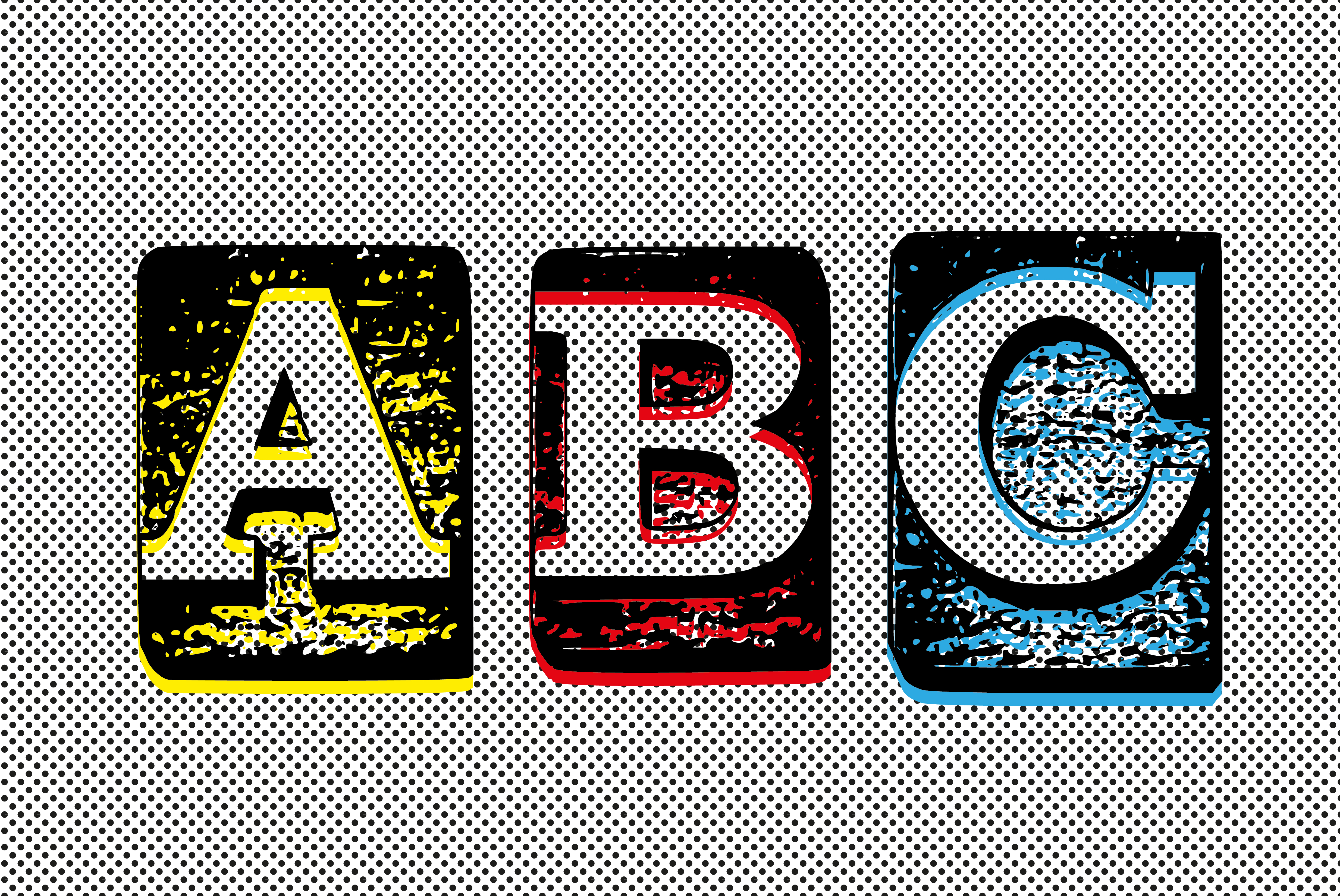
Blockletters: Bold, Inky Impact for Vintage-Inspired Design
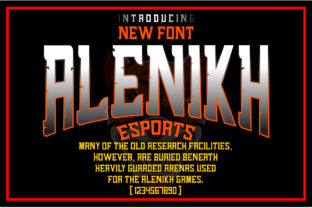
When you need a typeface that commands attention without whispering, Blockletters steps into the frame. This is not a subtle font designed to fade into the background of a paragraph. It is a bold, impactful display typeface influenced by traditional printer fonts, crafted to look rough, inky, and authentically tactile. For designers, marketers, and content creators looking to inject a sense of history and grit into their work, Blockletters offers a distinct visual voice that bridges the gap between industrial utility and artistic expression.
The appeal of this font lies in its imperfections. Unlike the sterile precision of many modern sans serif fonts or the delicate elegance of high-contrast serifs, Blockletters embraces the texture of the analog world. It mimics the slight bleed of ink on paper, the uneven pressure of a stamp, and the rugged charm of old-school signage. This makes it an exceptional choice for projects aiming for a vintage feel, whether you are designing a poster for a local music festival, crafting packaging for an artisanal brand, or updating a blog’s header to stand out in a crowded digital landscape.
The Visual Personality of Blockletters
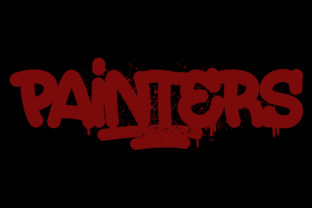
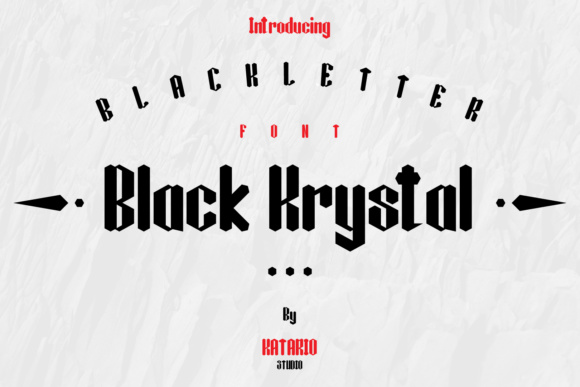
To understand why Blockletters works, you have to look at its construction. It belongs to the family of blocky, geometric forms but subverts expectations with its surface treatment. The letters are sturdy and legible, yet they carry a weathered aesthetic that suggests age and use. This "rough and inky" quality gives the typography immediate character. It feels hand-applied, even when rendered digitally, which adds a layer of authenticity that audiences respond to positively.
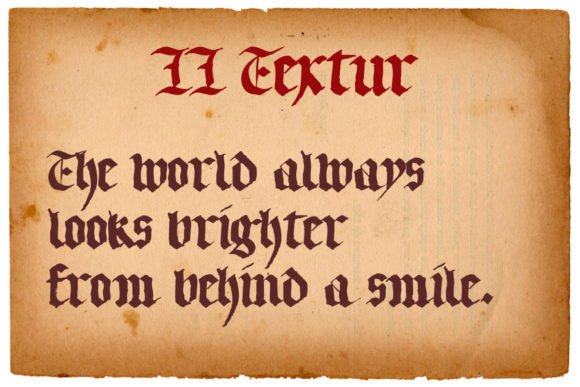
In terms of style, Blockletters sits comfortably alongside other creative fonts that prioritize mood over neutrality. It shares DNA with classic serif font styles found in early 20th-century broadsides but strips away the decorative flourishes to focus on raw impact. It is neither a script font nor a handwritten font; it is too structured for those categories, yet it lacks the cold rigidity of some corporate sans serif fonts. Instead, it occupies a sweet spot often referred to as "modern typography" with a retro soul. This versatility allows it to function as both a historical reference and a contemporary design asset.
The weight of the letterforms ensures high visibility. When used at large sizes, Blockletters acts as a graphic element in itself. The thick strokes and tight counters create a solid visual anchor. This makes it particularly effective for logo design, where a brand needs to project strength, reliability, or rebellion depending on the context. For small business owners, using such a distinctive typeface can help establish a memorable brand identity quickly, differentiating your visual assets from competitors who rely on more generic, widely available fonts.
Where Blockletters Shines in Real-World Projects
The best way to evaluate any premium font is to see how it performs in specific applications. Blockletters is not intended for long-form body text. Its rough edges and heavy presence would cause eye fatigue if used for paragraphs. Instead, its strengths lie in display usage across various media.
- Posters and Event Marketing: This is perhaps the most natural home for Blockletters. Whether promoting a craft beer launch, a rock concert, or a community market, the font’s inky texture evokes the feel of screen-printed flyers. It signals to the viewer that the event is authentic and grounded.
- Packaging Design: For products like coffee bags, apparel tags, or cosmetic jars, Blockletters adds a layer of artisanal credibility. It suggests that the product inside was made with care, mirroring the handmade aesthetic of the typeface itself. It pairs exceptionally well with minimalist layouts, allowing the font to be the hero.
- Editorial Design: Magazines and zines often use display fonts to break up dense text and add visual rhythm. Blockletters serves as an excellent headline font for editorial spreads, providing a strong contrast to lighter body copy. It helps guide the reader’s eye through the hierarchy of information.
- Social Media Graphics: In the fast-scrolling world of Instagram or Pinterest, bold typography stops the thumb. Blockletters’ high contrast and unique texture make social media graphics pop. It is ideal for quote cards, announcement posts, and promotional banners where immediate recognition is key.
- Web Design Headers: While less common for full websites, Blockletters can be effectively used in hero sections or landing page headers. It sets the tone immediately, telling visitors about the brand’s personality before they read a single word of description.
Strategic Considerations for Implementation
Using a font like Blockletters requires a strategic approach to ensure it enhances rather than hinders your communication goals. Readability remains paramount, even in display contexts. Because the font has a textured, slightly irregular appearance, it is crucial to test it against your chosen backgrounds. High contrast is usually necessary; light gray text on a white background will lose the inky detail, while dark text on a busy pattern may become illegible.
Font pairing is another critical skill when working with such a dominant typeface. Since Blockletters is visually loud, it needs quieter companions. A clean, neutral sans serif font is often the best choice for secondary text, such as dates, locations, or body copy. The simplicity of the sans serif font balances the complexity of Blockletters, creating a harmonious visual hierarchy. Alternatively, a simple serif font can work well if you want to lean into the vintage aesthetic, provided the serif is understated. Avoid pairing it with other decorative fonts, such as script fonts or overly ornate serifs, as this will create visual clutter and confuse the audience.
Evaluating the included styles is also part of due diligence. Most premium font packages offer variations such as regular, bold, or italic versions. Check if Blockletters includes these variants. An italic version, for example, might provide a dynamic slant useful for emphasizing specific words within a headline. If the package is limited, consider how you might use tracking (letter-spacing) or case changes (all caps vs. title case) to create variation within your design system.
Commercial licensing cannot be overlooked. As a commercial font, Blockletters likely comes with specific usage rights. Ensure you understand the scope of your license, especially if you plan to use it in merchandise for sale, broadcast media, or extensive digital campaigns. Proper licensing protects your brand from legal issues and supports the typographer who created the asset. Always review the end-user license agreement (EULA) to confirm that your intended use cases are covered.
Ultimately, the value of Blockletters lies in its ability to convey emotion through form. It is not just a collection of characters; it is a design tool that carries cultural connotations of craftsmanship, history, and boldness. By integrating it thoughtfully into your projects—whether for a personal hobbyist blog or a major brand identity—you tap into a visual language that resonates deeply with audiences seeking authenticity. Take the time to test it, pair it carefully, and let its rough, inky character bring a unique personality to your work.