Evaluating Road Culture: A Practical Guide to This Handmade Blackletter Typeface
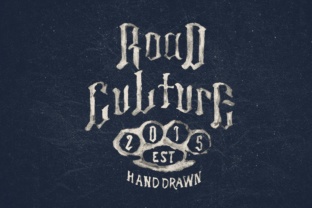
Choosing the right typography for a project is rarely about finding the most popular font; it is about finding the one that communicates the correct tone, texture, and intent. For designers working in niches that demand grit, authenticity, and a raw sense of movement, Road Culture has emerged as a distinctive option. It is not merely a digital recreation of old fonts but a handmade typeface with a blackletter style that draws direct inspiration from biker culture.
This article provides a balanced evaluation of Road Culture. We will explore its aesthetic origins, analyze its practical applications, compare it against broader typographic categories, and help you determine whether it fits your specific design needs. Whether you are designing event posters, merchandise, or brand identities, understanding the tradeoffs of using such a specialized typeface is crucial for maintaining visual coherence.
The Aesthetic Identity of Road Culture
To understand why Road Culture works, one must first understand what it represents. The typeface is rooted in the visual language of motorcycle clubs and road culture. Unlike traditional Gothic or Fraktur fonts that often feel academic, rigid, or historical, Road Culture feels lived-in. It captures the vibration of an engine, the blur of asphalt, and the camaraderie of the open road.
The "handmade" aspect of its description is significant. In digital typography, this usually implies that the glyphs were scanned or vectorized from physical sketches, ink drawings, or brush strokes. This results in irregularities—slight variations in stroke weight, imperfect edges, and organic curves—that standard geometric fonts lack. These imperfections are features, not bugs. They convey humanity and effort, which aligns perfectly with themes of craftsmanship, rebellion, and tradition.
Key visual characteristics include:
- High Contrast Strokes: Like classic blackletter, there is a dramatic difference between thick and thin lines, creating a strong visual hierarchy.
- Angular Geometry: The sharp angles evoke the mechanical precision of motorcycles while retaining a rough, hand-drawn edge.
- Condensed Forms: Many letters are tightly packed, allowing for impactful headlines that do not take up excessive horizontal space.
Use Cases and Best-Fit Scenarios
Road Culture is highly specialized. It is not a universal typeface suitable for body text, long-form articles, or corporate reports. Its power lies in display usage—short bursts of text that need to grab attention immediately. Here is where it tends to perform best.
Event Branding and Posters
The inclusion of a poster as a bonus file with the Road Culture license is a strategic detail that speaks to its intended use. Designers often struggle with layout when using complex blackletter fonts because the density of the letters can make compositions look cluttered. Having a pre-designed poster template helps visualize how the typeface interacts with imagery, negative space, and other graphical elements. This makes Road Culture particularly valuable for music festivals, biker rallies, rock concerts, and streetwear launches.
Merchandise and Apparel
When printing on t-shirts, patches, or hats, legibility at small sizes can be a challenge for intricate blackletter styles. However, Road Culture’s bold nature often translates well to screen printing and embroidery. The handmade quality adds a premium, artisanal feel to products, distinguishing them from mass-produced goods. It signals to the consumer that the item is part of a subculture rather than just a generic fashion statement.
Logo Design for Niche Brands
For businesses operating in automotive repair, custom bike shops, tattoo parlors, or craft breweries, Road Culture offers immediate context. It bypasses the need for explanatory imagery by visually communicating the industry through typography alone. When used as a logo, it suggests heritage, toughness, and a no-nonsense attitude.
Comparison with Alternative Typographic Styles
When evaluating Road Culture, it is helpful to compare it against other common choices in the display typography market. Understanding these differences clarifies when Road Culture is the superior choice and when another direction might be more appropriate.
Road Culture vs. Traditional Blackletter (Fraktur/Gothic)
Traditional blackletter fonts are often associated with medieval manuscripts, legal documents, or beer brands like Paulaner. They tend to be symmetrical, highly structured, and somewhat formal. Road Culture diverges from this by being asymmetrical and chaotic. If your project requires a sense of history, law, or religious solemnity, traditional blackletter is the better fit. If you want energy, rebellion, and modern grit, Road Culture is the stronger candidate.
Road Culture vs. Grunge and Distressed Fonts
There is a broad category of "grunge" fonts that simulate dirt, tears, and wear. While Road Culture shares the gritty aesthetic, it differs in execution. Grunge fonts often rely on noise filters and heavy textures that can reduce readability and look dated if overused. Road Culture maintains clean vector paths (despite looking hand-drawn), which ensures scalability and crispness on high-resolution screens. It offers the *feel* of grunge without sacrificing the technical quality required for professional design work.
Road Culture vs. Modern Sans-Serif Display Fonts
In recent years, many brands have moved toward bold, condensed sans-serifs (like Impact or Helvetica Now Ultra) for a clean, modern look. These fonts are safe, highly readable, and versatile. Road Culture is the antithesis of "safe." Choosing Road Culture is a deliberate risk that commits the design to a specific mood. If your goal is minimalism, neutrality, or tech-forward innovation, Road Culture will clash with your message. If your goal is emotional impact and subcultural alignment, it outperforms neutral sans-serifs significantly.
Practical Tradeoffs and Limitations
No typeface is perfect, and Road Culture comes with specific constraints that designers must manage. Acknowledging these limitations early in the process prevents frustration later.
Readability Challenges: Due to its dense structure, Road Culture is difficult to read in paragraphs. Using it for body copy will fatigue the reader quickly. It should be reserved for headlines, titles, and short accents. Pairing it with a simple, neutral sans-serif for supporting text is a recommended strategy to balance the visual weight.
Ligature and Character Set Variability: Handmade fonts sometimes have limited character sets compared to massive commercial libraries. Before purchasing or downloading, check the available glyphs. You may find that certain punctuation marks, numbers, or less common letters are missing or styled differently. This can disrupt consistency if you need to spell out specific words or use complex data tables.
Contextual Appropriateness: Because the font is so strongly tied to biker culture, it carries baggage. Using it for a children’s birthday party invitation, a medical clinic brochure, or a financial services website would likely create cognitive dissonance for the audience. The font tells a story before the user reads the content; ensure that story matches your intent.
Decision Factors: Is Road Culture Right for You?
To make an informed decision, consider the following checklist. Road Culture is likely the right choice if:
- Your project is visual-first: You are designing something where the image and headline carry 90% of the communication load.
- You value authenticity: Your brand or project aims to feel real, unpolished, and human-made rather than corporate and sterile.
- You need immediate impact: You have a short window to capture attention, such as on social media thumbnails or billboard ads.
- You appreciate bonus resources: The inclusion of a poster template suggests that the creator understands the workflow of designers who need quick, effective layouts. This added value can save time during the prototyping phase.
Conversely, you may need another option if:
- You require extensive multilingual support with consistent styling across dozens of languages.
- Your design system relies heavily on data visualization or long-form reading.
- You are targeting a mainstream, conservative audience that may perceive blackletter styles as aggressive or niche.
Final Thoughts on Integration
Road Culture is more than just a font; it is a stylistic tool that brings a specific narrative to the table. Its handmade blackletter style offers a tactile quality that digital perfection often lacks. By comparing it to traditional gothic fonts, grunge effects, and modern sans-serifs, we can see that its strength lies in its specificity.
For designers willing to embrace its bold, angular personality, Road Culture provides a powerful way to communicate themes of freedom, mechanics, and community. The practical addition of a poster bonus further enhances its utility, offering a starting point for creative exploration. Ultimately, the decision rests on whether your project needs the quiet confidence of a neutral font or the loud, expressive voice of Road Culture. If the latter resonates with your vision, this typeface offers a robust, authentic foundation for your design.