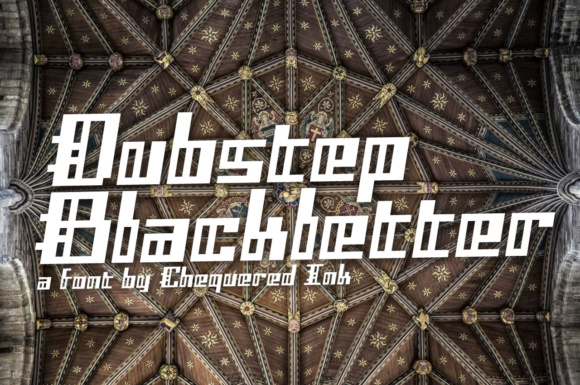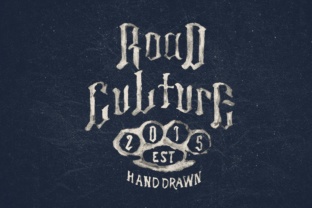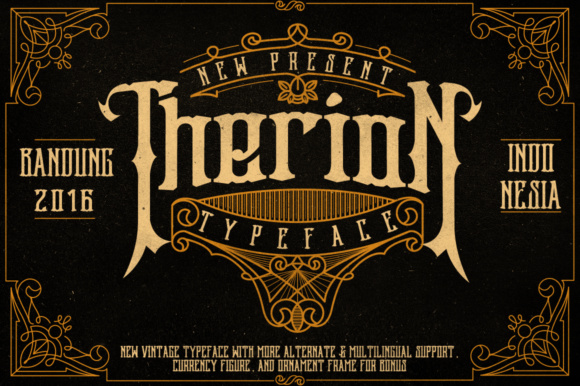
Goliath: A Retro Blackletter for Bold Branding
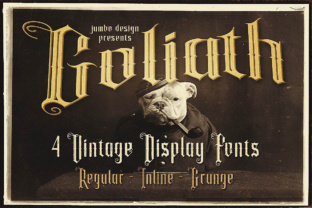
In a digital landscape dominated by clean sans-serifs and minimalist geometries, there is a distinct hunger for typefaces that carry weight, history, and character. Enter Goliath, a retro blackletter font that bridges the gap between medieval tradition and modern design sensibilities. It is not merely a decorative element; it is a statement piece capable of anchoring a brand identity or adding a layer of sophisticated nostalgia to creative projects.
Blackletter fonts often suffer from poor legibility when overused or applied incorrectly. Goliath avoids this pitfall by balancing its intricate, gothic-inspired structures with a level of clarity that makes it accessible for contemporary applications. Whether you are designing a logo for a craft brewery, creating a poster for a music festival, or branding a boutique bakery, Goliath offers a versatile toolkit for designers seeking to evoke a sense of heritage without sacrificing readability.
Understanding the Anatomy of Goliath
To use Goliath effectively, one must first understand what makes it tick. As a retro blackletter, it draws inspiration from historical calligraphic traditions but adapts them for the eye of the modern viewer. The strokes are bold, the terminals are sharp yet controlled, and the overall density creates a visual texture that demands attention.
The font comes in different styles, allowing for dynamic typographic hierarchy. You might pair a heavy, condensed version of Goliath for headlines with a lighter, more open variant for subheads. This versatility is crucial for designers who need to maintain a cohesive look while ensuring that text remains digestible. The retro aspect of Goliath means it does not feel like an archaic relic; instead, it feels like a curated choice, a nod to the past that has been refined for present-day use.
- Bold Presence: The thick strokes create immediate visual impact, making it ideal for large-format displays.
- Retro Appeal: It taps into the current trend of vintage aesthetics without feeling dated.
- Versatile Styles: Multiple weights and variants allow for complex layout compositions.
Creative Applications Across Industries
The beauty of Goliath lies in its adaptability. While blackletter fonts are traditionally associated with specific niches, Goliath’s design allows it to transcend those boundaries. Here is how different professionals can leverage this typeface to achieve specific goals.
Branding and Logo Design
For small business owners and entrepreneurs, standing out is paramount. Goliath is perfect for brands that want to communicate strength, tradition, and authenticity. Imagine a local coffee roaster using Goliath for their logo to suggest a deep-rooted commitment to quality and craftsmanship. Or consider a record label specializing in vinyl reissues, where the font reinforces the analog, tactile nature of their product.
When using Goliath for logos, less is often more. Use the font as the primary mark, perhaps paired with a simple, clean sans-serif for secondary information. This contrast prevents the design from becoming overwhelming and ensures that the brand name remains the focal point.
Event Posters and Promotional Materials
Educators, marketers, and hobbyists organizing events can find immense value in Goliath for posters, flyers, and social media graphics. Its high-contrast structure grabs attention in crowded feeds or on busy bulletin boards. It works exceptionally well for themes related to history, folklore, music (particularly rock, metal, or folk genres), and literature.
Consider a university history department promoting a lecture series. Goliath adds an academic gravitas that plain fonts lack. Alternatively, a freelancer designing a concert poster can use the font to convey energy and intensity. By varying the size and color, you can create a dynamic composition that guides the viewer’s eye through the essential details: date, time, location, and lineup.
Editorial and Publishing
Publishers and bloggers looking to add a classic touch to their digital or print content should consider Goliath for pull quotes, section headers, or chapter titles. It breaks up long blocks of text and adds visual interest without distracting from the content itself. For example, a food blog featuring traditional recipes could use Goliath for recipe titles, evoking the warmth of a grandmother’s cookbook.
In editorial design, consistency is key. Establish a clear typographic scale where Goliath is reserved for specific elements, such as drop caps or main headings. This restraint ensures that the font retains its special status and does not become background noise.
Best Practices for Using Goliath
While Goliath is a powerful tool, it requires careful handling to ensure your designs remain effective and audience-friendly. Here are some practical guidelines to keep in mind.
- Maintain Legibility: Avoid setting long paragraphs of body text in Goliath. Its intricate details can cause eye strain when read continuously. Reserve it for short bursts of text, such as headlines, labels, and captions.
- Balance with Simplicity: Pair Goliath with neutral, clean typefaces. A geometric sans-serif or a humanist serif can provide the necessary contrast to make the blackletter pop. This balance prevents the design from feeling too heavy or cluttered.
- Consider Spacing: Blackletter fonts often require slightly wider tracking (letter-spacing) than other typefaces to breathe. Tight spacing can cause the intricate details to merge, reducing readability. Experiment with spacing to find the sweet spot for each application.
- Use Color Strategically: High-contrast colors can enhance the retro vibe of Goliath. Think mustard yellows, deep reds, navy blues, and forest greens. However, ensure sufficient contrast between the text and background to maintain accessibility standards.
Adapting to Digital Platforms
In the realm of web design and mobile apps, typography plays a critical role in user experience. Goliath can be used effectively in digital contexts if applied with precision. It is excellent for hero sections on websites, where large, impactful headlines can set the tone for the page. For instance, a portfolio site for a graphic designer might use Goliath for their name and title, immediately signaling a strong personal brand.
However, responsiveness is key. Ensure that the font scales appropriately across different screen sizes. Test how Goliath looks on mobile devices, where screen real estate is limited. If the font becomes illegible at smaller sizes, consider using a simplified version or switching to a fallback font for smaller viewports.
Conclusion: Adding Character to Your Work
Goliath is more than just a font; it is a design decision that communicates intent. It tells your audience that you value tradition, craftsmanship, and bold expression. By understanding its characteristics and applying it thoughtfully, you can create designs that are not only visually striking but also meaningful and memorable.
Whether you are a seasoned professional or a hobbyist exploring new tools, Goliath offers a unique opportunity to inject personality into your work. Embrace its retro charm, respect its structural integrity, and let it guide your creative projects toward a classic, timeless aesthetic. In a world of fleeting trends, Goliath provides a solid foundation for building enduring visual identities.