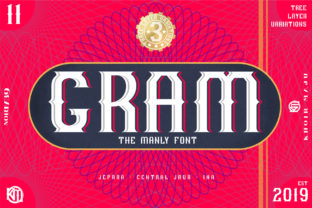
Gram
In an era where visual communication happens in milliseconds, the choice of typography is no longer just a stylistic preference; it is a strategic decision. Among the myriad of typefaces available to designers and creators today, Gram has emerged as a distinctive tool for those seeking to inject character without sacrificing readability. Often paired with the cultural imperative to "Do it for the Gram," this font offers more than just aesthetic appeal—it provides a bridge between historical craftsmanship and modern digital consumption. For professionals ranging from freelance graphic designers to small business owners, understanding how to leverage a typeface like Gram can mean the difference between a design that blends into the noise and one that commands attention.
The Evolution of Visual Identity in Digital Spaces
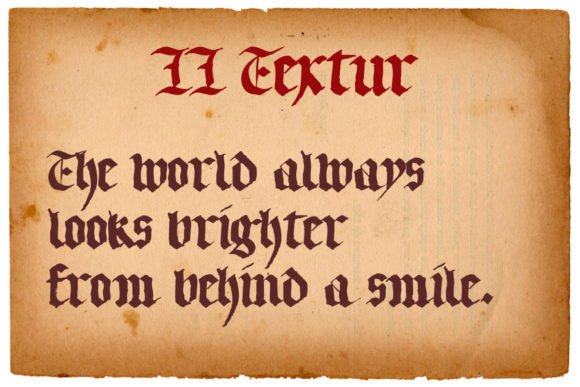
The landscape of digital design has shifted dramatically over the past decade. What began as a need for legibility on low-resolution screens has evolved into a demand for personality and brand differentiation. Users are bombarded with content daily, and their eyes have become adept at scanning rather than reading. In this environment, bold, expressive typography serves as a primary hook. This is where blackletter and gothic-inspired fonts find their niche. However, traditional blackletter can be dense, difficult to read, and often associated with specific subcultures or historical periods that may not align with contemporary branding goals.
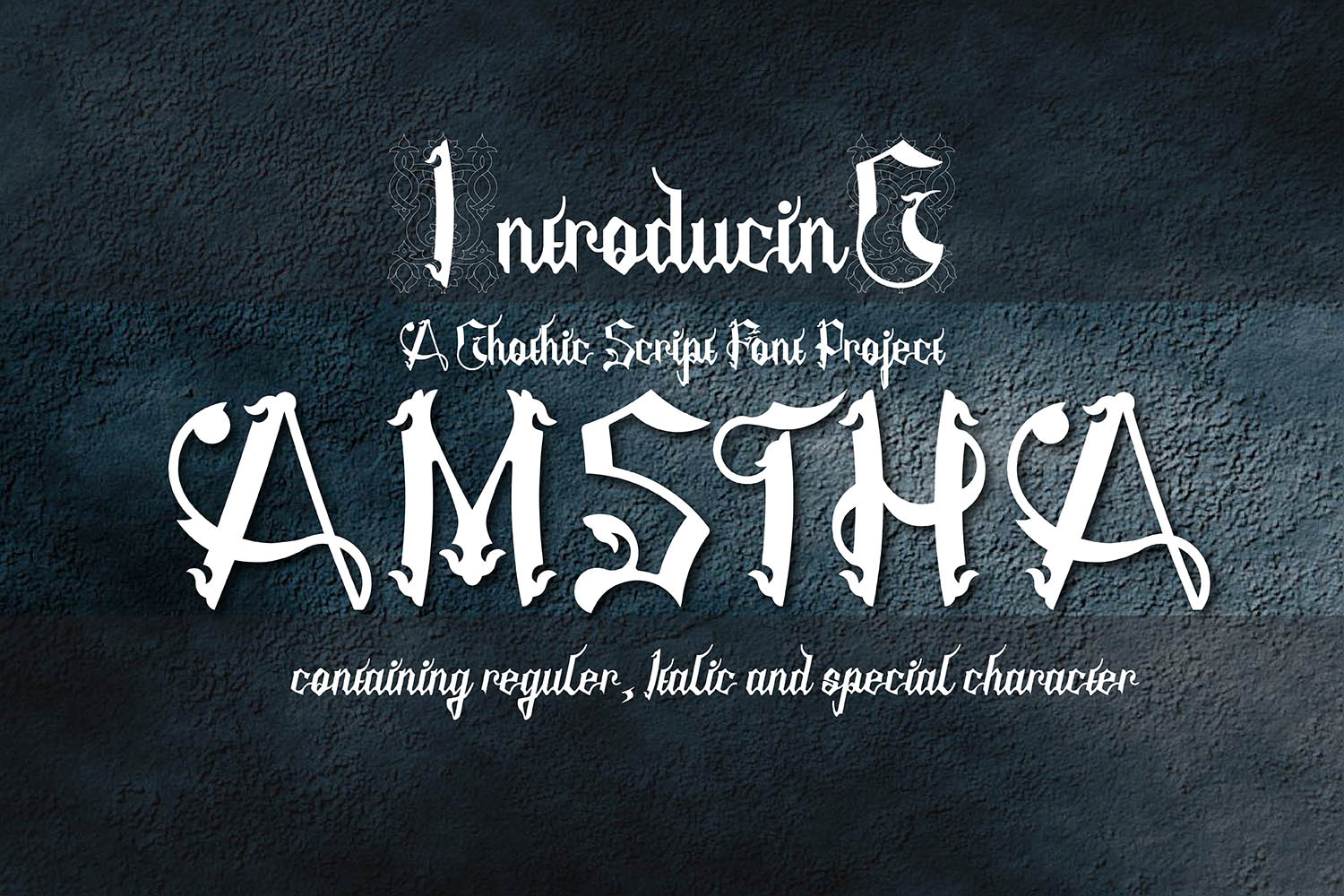
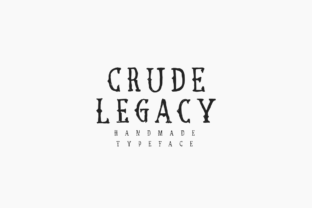
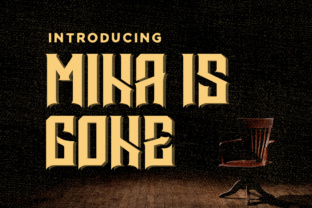
This is where Gram differentiates itself. It retains the structural integrity and historical weight of blackletter but refines it for modern sensibilities. It offers a "subtle vintage feel" that nods to heritage and authenticity without overwhelming the viewer. For entrepreneurs and marketers, this balance is crucial. Consumers today value transparency, history, and craft. A font that evokes these qualities can subtly reinforce a brand’s narrative before a single word is even processed cognitively. The trend toward "authentic luxury" and artisanal aesthetics in marketing makes Gram particularly relevant for businesses in food and beverage, fashion, publishing, and lifestyle sectors.
Understanding the Anatomy of Gram
To appreciate why Gram works, one must look at its design characteristics. Unlike the sharp, aggressive angles found in some medieval scripts, Gram typically features softer curves and more open counters (the enclosed spaces within letters). This design choice enhances legibility, especially at smaller sizes or on mobile devices, which remain the primary interface for most users. The "vintage" aspect comes from its irregularities and hand-crafted appearance, suggesting human touch in an increasingly automated world.
- Legibility: Despite its decorative nature, Gram maintains sufficient clarity for headlines and short body text, reducing the cognitive load on readers.
- Versatility: It pairs effectively with clean sans-serif fonts, creating a contrast that highlights both the decorative and functional elements of a design.
- Tone: The font conveys authority, tradition, and sophistication, making it suitable for high-end products or services that wish to emphasize quality.
For educators and bloggers, these attributes mean that Gram can be used to create engaging headers that draw readers into long-form content. By using Gram for titles and pairing it with a neutral body font, creators can establish a clear visual hierarchy that guides the reader through complex information without causing fatigue.
Practical Applications Across Industries
The utility of Gram extends across various professional domains. Its ability to evoke a "standout" effect makes it a powerful asset in branding and marketing materials. Consider a local coffee roaster launching a new line of artisanal beans. Using a standard sans-serif might communicate clarity, but using Gram communicates story, origin, and care. The subtle vintage feel aligns perfectly with the narrative of slow coffee and traditional brewing methods. Similarly, a boutique clothing brand looking to emphasize heritage fabrics could use Gram for its logo or campaign headlines, instantly signaling quality and timelessness.
In the realm of event design, such as weddings or corporate galas, Gram adds a layer of elegance that feels both classic and contemporary. It avoids the cliché of overly ornate script fonts while still providing the gravitas needed for formal occasions. For freelancers and hobbyists, incorporating Gram into personal projects—whether it’s a portfolio website, a zine, or social media graphics—can elevate the perceived professionalism of their work. It signals that they pay attention to detail and understand the nuances of visual communication.
Integrating Gram into Modern Workflows
Implementing Gram into a design workflow requires thoughtful consideration. It is not a font meant for large blocks of text. Instead, it shines when used sparingly and strategically. Designers should treat it as an accent typeface, similar to how one would use a color highlight. Here are some practical tips for integrating Gram effectively:
- Limit Usage: Use Gram for headlines, logos, or key phrases only. Overuse can lead to visual clutter and reduce overall readability.
- Pair Wisely: Combine Gram with minimalist sans-serifs or clean serifs. The contrast between the decorative and the simple creates visual interest and ensures that the message remains clear.
- Consider Context: Ensure that the vintage aesthetic aligns with your brand identity. If your message is about cutting-edge technology or futuristic innovation, Gram may send the wrong signal.
- Test for Accessibility: Always check contrast ratios and size requirements to ensure that your use of Gram meets accessibility standards, particularly for users with visual impairments.
The "Do It for the Gram" Phenomenon
The phrase "Do it for the Gram" has transcended its origins as internet slang to become a shorthand for designing with shareability in mind. In today’s social-first economy, designs are often created with the expectation that they will be captured, cropped, and shared on platforms like Instagram, Pinterest, and TikTok. This shift has influenced how designers approach composition, color, and typography.
Gram fits naturally into this ecosystem. Its strong visual presence makes it highly effective in square or vertical formats common on social media. A poster or flyer designed with Gram will likely stand out in a feed filled with uniform, clean designs. However, the challenge lies in maintaining substance alongside style. While a striking font can grab attention, it is the underlying message and value proposition that retain engagement. Therefore, while using Gram to enhance visual appeal, creators must ensure that the core content remains compelling and authentic.
Moreover, the trend toward nostalgia in design means that audiences are increasingly receptive to vintage-inspired aesthetics. Gen Z and Millennials, who drive much of the current digital discourse, have shown a fascination with retro styles, from Y2K fashion to analog photography. Gram taps into this cultural moment by offering a typographic solution that feels both familiar and fresh. It allows brands to participate in this nostalgic wave without resorting to pastiche or irony.
Future-Proofing Your Design Choices
As we look ahead, the role of typography in digital design will continue to evolve. With advancements in variable fonts and dynamic web technologies, typefaces will become more adaptable and responsive. However, the fundamental principles of good design—clarity, relevance, and emotional resonance—remain constant. Gram represents a timeless choice because it balances these principles effectively. It is not a fleeting trend but a versatile tool that can adapt to changing design landscapes.
For professionals and businesses, investing in a robust type library that includes versatile options like Gram is a wise strategy. It provides flexibility for future campaigns and ensures that you have the right tools to communicate your brand’s voice consistently. As user expectations continue to rise, the ability to create visually distinct yet accessible content will become a key differentiator. By mastering the use of fonts like Gram, creators can stay ahead of the curve, delivering experiences that resonate deeply with their audiences.
In conclusion, Gram is more than just a font; it is a strategic asset for anyone looking to enhance their visual communication. Its ability to blend vintage charm with modern functionality makes it an invaluable addition to any designer’s toolkit. Whether you are a seasoned professional or a curious beginner, exploring the potential of Gram can unlock new levels of creativity and effectiveness in your work. In a world where every pixel counts, choosing the right typeface can make all the difference.