Ingkarmayat: A Functional Analysis of a Norwegian Black Metal-Inspired Typeface
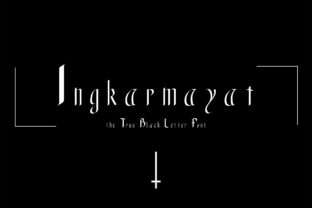
In the landscape of digital typography, niche fonts often occupy a space that is either purely decorative or functionally limited. However, certain typefaces bridge the gap between aesthetic intensity and practical utility. Ingkarmayat is one such font. It is a true blackletter typeface explicitly inspired by the visual language of Norwegian Black Metal music. While its origins are rooted in a specific subcultural movement known for its raw, lo-fi, and often controversial imagery, the font itself offers a distinct set of characteristics that make it relevant for horror-themed projects, heavy branding, and specialized graphic design work.
For designers, marketers, and creators aged 20 to 50 who deal with content requiring an atmosphere of darkness, history, or aggression, understanding the nuances of Ingkarmayat is essential. This analysis evaluates the font not merely as a novelty item, but as a tool for communication. We will examine its structural integrity, readability, application scope, and limitations to determine where it fits within a professional workflow.
The Aesthetic Foundation: What Is Ingkarmayat?
To understand Ingkarmayat, one must first recognize the typographic lineage it draws from. Blackletter, historically known as Gothic script, was the dominant writing system in Western Europe from the 12th through the 16th centuries. In the late 1980s and early 1990s, bands associated with the Norwegian Black Metal scene—such as Mayhem, Darkthrone, and Burzum—adopted and distorted these historical forms. They used illegible, jagged, and highly stylized logos to convey themes of anti-religion, nature worship, and nihilism.
Ingkarmayat captures this essence without descending into pure chaos. It is a "true" blackletter, meaning it is constructed with deliberate geometric logic rather than being a haphazard scribble. The letterforms feature sharp angles, dense vertical strokes, and intricate crossbars that mimic the hand-carved look of medieval manuscripts while retaining the aggressive edge of extreme metal album art. This duality is its primary strength: it feels ancient and authentic, yet it is designed for modern digital reproduction.
For horror-themed projects, this immediate visual association is powerful. When a viewer sees Ingkarmayat, they do not need to read the text to understand the mood. The font itself communicates dread, mystery, and intensity before a single word is processed. This makes it an efficient tool for genres like horror, thriller, fantasy, and heavy industry branding.
Key Characteristics and Structural Integrity
From a technical design perspective, Ingkarmayat exhibits several notable features that distinguish it from generic gothic fonts available on stock marketplaces.
- Density and Weight: The font is inherently dense. The x-height is relatively low compared to the cap height, and the counters (the enclosed spaces within letters like 'e' or 'a') are tight. This creates a solid block of text that commands attention but requires careful spacing management.
- Sharp Contrast: There is a high contrast between the thick vertical stems and the thin, sharp diagonal strokes. This mimics the pressure of a broad-nib pen, giving the typeface a dynamic, almost violent energy.
- Ligatures and Alternates: Many blackletter fonts include special ligatures to connect letters smoothly. Ingkarmayat utilizes these to maintain flow, though the overall effect remains fragmented and jagged. Designers should check for available glyph sets to ensure smooth transitions between characters.
- Legibility Trade-offs: Like all blackletter fonts, Ingkarmayat sacrifices long-form legibility for stylistic impact. The complexity of the letterforms can cause visual fatigue if used for body copy. It is best suited for headlines, titles, logos, and short phrases.
These characteristics mean that Ingkarmayat is not a Swiss Army knife for typography. It is a specialized instrument. Its value lies in its ability to evoke a specific emotional response quickly and effectively.
Practical Applications and Use Cases
Given its intense aesthetic, Ingkarmayat finds its strongest footing in industries and projects where atmosphere is paramount. Below are specific scenarios where this font adds significant value.
Horror and Thriller Media
In the film, book, and gaming industries, visual hierarchy is critical. A horror movie poster or a dark fantasy novel cover needs to stand out on a crowded shelf or screen. Ingkarmayat provides an instant genre cue. When paired with appropriate imagery—such as fog, shadows, or skeletal elements—the font reinforces the narrative tone. For example, using Ingkarmayat for the title of a psychological thriller about cults or ancient rituals creates an immediate sense of unease and authenticity.
Musical Branding and Merchandise
While originally inspired by Black Metal, the font’s appeal extends to other heavy genres. Bands in death metal, doom, industrial, and even some punk subgenres may find Ingkarmyat suitable for band logos, tour posters, and merchandise. The font’s ruggedness translates well to screen printing on t-shirts and patches, maintaining its integrity at various scales.
Event Promotion
Concerts, festivals, and themed events benefit from the urgency and drama that Ingkarmayat conveys. Event flyers for Halloween parties, haunted house attractions, or heavy music festivals can use this font to signal the nature of the experience. The font acts as a filter, attracting the target audience while potentially repelling those seeking lighter entertainment.
Editorial and Publishing
Magazines and blogs covering topics related to true crime, occult history, or dark arts can use Ingkarmayat for pull quotes, section headers, or chapter titles. It breaks the monotony of standard serif or sans-serif layouts and adds a layer of sophistication and gravity to the content. However, editors must be cautious not to overuse it, as it can overwhelm the page.
Evaluating Usability and Workflow Integration
For professionals evaluating whether to incorporate Ingkarmayat into their toolkit, several practical considerations come into play.
Readability and Hierarchy
The most common mistake when using blackletter fonts is attempting to use them for paragraphs of text. Ingkarmayat is not designed for body copy. Its effectiveness diminishes rapidly when readers are forced to decode complex letterforms for extended periods. Instead, use it for headlines up to a certain size, then switch to a highly legible sans-serif or serif font for supporting text. This contrast enhances both the aesthetic impact of the headline and the usability of the content.
Kerning and Spacing
Blackletter fonts require meticulous kerning. The sharp angles of Ingkarmayat can clash if letters are placed too close together, creating visual noise. Conversely, excessive spacing can make the text feel disjointed and weak. Designers should pay close attention to the negative space between characters. Using tracking tools in design software to adjust spacing manually is often necessary to achieve a polished look.
Color and Background Interaction
Due to its density, Ingkarmayat performs best against contrasting backgrounds. White or light-colored text on a dark background works well, as does black text on white or off-white paper. However, low-contrast combinations (e.g., gray on black) can cause the fine details of the font to disappear. Testing the font at actual output sizes is crucial to ensure visibility.
Compatibility and Licensing
Before adopting Ingkarmayat, verify the licensing terms. Some fonts labeled as "free" may have restrictions on commercial use. For professional projects, especially those involving merchandise or large-scale advertising, purchasing a proper license ensures legal protection and supports the type designer. Additionally, check for web font compatibility if the design will be used online, ensuring that the font renders correctly across different browsers and devices.
Limitations and Potential Drawbacks
No typeface is without its flaws. Ingkarmayat has specific limitations that designers must acknowledge.
- Niche Appeal: The font’s strong association with Black Metal may alienate audiences unfamiliar with or opposed to the genre. It carries cultural baggage that might not align with more mainstream or corporate brands.
- Versatility Constraints: As noted, it lacks versatility. It cannot serve as a primary font for a brand identity that requires approachability, clarity, or neutrality. It is strictly a display font.
- Reproduction Issues: At very small sizes, the intricate details of Ingkarmayat can blur or merge. It is not suitable for favicon designs, small print, or low-resolution digital displays.
Conclusion: Is Ingkarmayat Right for Your Project?
Ingkarmayat is a powerful asset for designers working in the horror, heavy music, and dark fantasy spaces. Its ability to convey atmosphere and intensity makes it an invaluable tool for grabbing attention and setting a specific tone. However, its power comes with responsibilities. It requires careful handling regarding spacing, hierarchy, and context to avoid becoming unreadable or clichéd.
If your project demands a sense of history, aggression, or mystery, and you are willing to respect the font’s limitations, Ingkarmayat is worth considering. It is not a replacement for standard typography but a complement to it. Used sparingly and strategically, it can elevate a design from ordinary to unforgettable. For professionals who understand the weight of visual language, Ingkarmayat offers a unique voice in the noisy world of digital media.