Pashion Typeface: A Practical Evaluation for Modern Design Projects
In the landscape of digital and print typography, legibility is often treated as a baseline requirement rather than a primary aesthetic driver. However, when a typeface manages to balance high readability with a distinct visual identity, it becomes a valuable asset for designers seeking efficiency without sacrificing brand personality. Pashion is one such font. It is a highly legible typeface that has garnered attention not for being overly ornate or experimental, but for its reliable performance across various applications. For professionals ranging from marketing agencies to small business owners, understanding the practical utility of a font like Pashion can streamline workflows and enhance communication clarity.
This evaluation explores the characteristics of Pashion, analyzing its strengths, ideal use cases, and potential limitations. The goal is to provide a clear, objective perspective on whether this typeface aligns with specific design goals, audience expectations, and project requirements.
Defining Pashion: Core Characteristics and Visual Identity
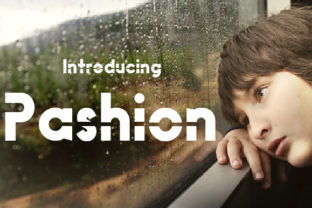
At its core, Pashion is designed to be easily readable. In typography, legibility refers to how quickly and accurately individual characters can be distinguished from one another, while readability pertains to the ease with which blocks of text are processed. Pashion excels in both areas. Its letterforms are clean, with open apertures and consistent stroke weights that prevent visual fatigue during extended reading sessions.
The unique style of Pashion lies in its subtle geometric influences softened by humanist touches. This combination prevents the typeface from feeling too rigid or sterile, which is a common pitfall in many modern sans-serif fonts. Instead, Pashion offers a friendly yet professional demeanor. This makes it particularly effective for:
- Logos and Brand Identities: The distinctive shape of certain letters provides enough character to serve as a memorable visual anchor without relying on complex graphic elements.
- Slogans and Taglines: Because it remains clear at larger sizes, Pashion works well for short, impactful text that needs to convey a message instantly.
- Product Names: The font’s clarity ensures that product names are recognizable even in cluttered packaging designs or small digital thumbnails.
Furthermore, Pashion is versatile enough for headlines and magazine layouts. Its strong presence allows it to command attention in title treatments, while its neutral undertones ensure it does not overpower accompanying imagery or body copy. This dual nature—being both striking and unobtrusive—is what gives Pashion its broad applicability.
Practical Applications and Real-World Performance
When evaluating a typeface for professional use, it is essential to look beyond static images and consider how the font performs in dynamic, real-world scenarios. Pashion demonstrates robust performance across multiple mediums, making it a practical choice for cross-platform branding.
Digital Interfaces and Web Design
In the context of web design, screen resolution and rendering engines play a significant role in how a font appears. Pashion’s straightforward construction means it renders cleanly on screens of varying densities. Whether viewed on a high-resolution Retina display or a standard mobile device, the font maintains its structural integrity. This reliability reduces the need for extensive CSS tweaking or fallback font strategies, saving developers and designers time.
For bloggers, publishers, and content creators, readability is paramount. Pashion serves as an excellent choice for body text in long-form articles because it guides the eye smoothly down the page. Its spacing and kerning are calibrated to minimize distractions, allowing the content itself to take center stage. This is particularly relevant for educational materials, technical documentation, or news platforms where information delivery is the primary objective.
Print Media and Packaging
Print design introduces different challenges, including ink spread, paper texture, and viewing distance. Pashion’s bold variants hold up well in print, offering sufficient contrast against white backgrounds. For small business owners creating flyers, brochures, or product labels, the font’s ability to remain legible at small point sizes is a critical feature. It ensures that essential information, such as ingredients, instructions, or contact details, is accessible to all consumers, including those with visual impairments.
Magazines and editorial layouts benefit from Pashion’s versatility. Editors can use heavier weights for pull quotes and section headers to create visual hierarchy, while lighter weights can handle subheadings or captions. This flexibility allows for cohesive design systems where one typeface family can fulfill multiple typographic roles, reducing visual clutter and maintaining brand consistency.
Evaluating Quality, Usability, and Long-Term Value
From a quality standpoint, Pashion exhibits a high level of craftsmanship. The glyph set is comprehensive, supporting a wide range of languages and special characters. This inclusivity is crucial for global brands or businesses targeting diverse audiences. The inclusion of alternate characters and ligatures, where applicable, adds a layer of refinement that elevates the overall presentation of the text.
Usability is another key factor. Pashion integrates seamlessly into popular design software suites, ensuring that designers can access it without compatibility issues. The font files are optimized for performance, loading quickly in both desktop and web environments. This technical efficiency contributes to a smoother workflow, allowing creatives to focus on design decisions rather than troubleshooting technical glitches.
Long-term value is often overlooked in font selection, yet it is a significant consideration. Trends in typography come and go, but legibility is timeless. Pashion’s design avoids fleeting stylistic quirks that may date quickly, instead opting for a classic, functional aesthetic. This timelessness ensures that projects utilizing Pashion will remain relevant and readable for years, protecting the investment in brand assets.
Potential Limitations
No typeface is perfect for every situation, and Pashion is no exception. While its strength lies in clarity and versatility, it may lack the dramatic flair required for luxury fashion brands or avant-garde artistic projects. In contexts where extreme stylization or emotional intensity is desired, designers might find Pashion too restrained. Additionally, while it performs well in most scenarios, extremely decorative or handwritten styles may still be necessary for specific creative campaigns where uniqueness is the primary goal.
Who Benefits Most from Pashion?
Identifying the right audience for a typeface helps clarify its value proposition. Pashion is particularly beneficial for:
- Entrepreneurs and Small Business Owners: Those who need a cost-effective, professional-looking solution for their branding materials. Pashion offers a polished appearance without the need for expensive custom font development.
- Marketers and Copywriters: Professionals who rely on clear communication to drive conversions. The font’s legibility supports persuasive writing by ensuring the message is received without friction.
- Educators and Publishers: Individuals creating instructional materials, textbooks, or online courses where student comprehension is critical. Pashion’s readability aids in learning retention by reducing cognitive load.
- Freelancers and Agencies: Designers looking for a reliable workhorse font that fits a variety of client needs. Having Pashion in their toolkit allows for quick prototyping and consistent execution across diverse projects.
Conclusion and Final Recommendations
Pashion stands out as a competent, well-rounded typeface that prioritizes function without compromising on style. Its high legibility, coupled with a unique yet understated aesthetic, makes it suitable for a wide array of applications, from digital interfaces to print publications. For professionals seeking a font that enhances readability and supports clear communication, Pashion is a strong candidate.
When considering Pashion for your next project, evaluate the specific demands of your audience and medium. If your goal is to convey information clearly and professionally, Pashion delivers. However, if your project requires a highly expressive or niche typographic voice, you may need to explore more specialized options. Ultimately, the decision should be guided by the needs of your users and the objectives of your brand. By integrating Pashion thoughtfully into your design strategy, you can achieve a balanced, effective, and enduring visual identity.