The Darkshine Effect: Why Horror-Themed Typography Is Reshaping Modern Brand Aesthetics
In the contemporary landscape of digital design and brand identity, visual hierarchy is no longer just about readability; it is about emotional resonance. As designers and marketers navigate an increasingly saturated media environment, the search for distinctiveness has led to a resurgence of niche typographic styles that were once considered too specialized or niche for mainstream application. Among these, Darkshine, a horror-themed blackletter typeface, has emerged as a compelling tool for professionals seeking to inject immediate gravity, mystery, and sophistication into their projects. This article explores the strategic value of incorporating such distinctive typography into modern workflows, examining how Darkshine fits into broader creative trends and why it is capturing the attention of entrepreneurs and creators alike.
Redefining Legibility in the Age of Attention
The primary function of typography has traditionally been communication. However, in the current consumer experience, the first step of communication is attraction. Users scroll through feeds with millisecond-level decision-making processes. In this context, standard sans-serif and serif fonts, while efficient, often blend into a homogeneous background noise. This is where the unique characteristics of a typeface like Darkshine become strategically valuable.
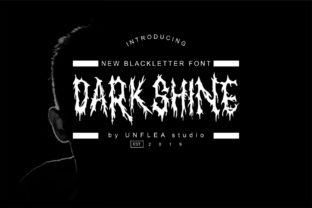
Darkshine is not merely a decorative font; it is a statement piece. Rooted in the blackletter tradition—historically associated with medieval manuscripts and formal decrees—it carries inherent connotations of authority, history, and seriousness. By applying this aesthetic to a horror-themed design, the typeface adds layers of psychological intrigue. It signals to the viewer that the content is not casual. For brands in the entertainment, lifestyle, or even tech sectors looking to stand out, using Darkshine can serve as a visual hook that arrests the eye before the message is even processed.
This shift reflects a broader industry trend toward "atmospheric branding." Consumers are no longer just buying products; they are buying into narratives and aesthetics. A logo or headline rendered in Darkshine does not just say what a product is; it suggests how it feels. It evokes the tactile sensation of aged parchment mixed with the sharpness of modern digital precision, creating a juxtaposition that is highly engaging for modern audiences.
Bridging Heritage and Modern Digital Workflows
One might assume that a typeface with such strong historical roots would be difficult to integrate into sleek, minimalist modern web designs. However, the versatility of Darkshine lies in its adaptability across different mediums. The intricate details of blackletter scripts, when scaled correctly, offer a texture that digital screens render with surprising clarity. This compatibility is crucial for freelancers and agencies who need assets that perform well across various platforms, from high-resolution print collateral to responsive mobile interfaces.
The integration of Darkshine into professional workflows highlights a growing preference for hybrid design languages. Designers are moving away from purely flat design toward more textured, layered approaches that mimic physical materials. This "neo-physical" trend allows digital spaces to feel more tangible. When used sparingly—for instance, as a display font for headlines while maintaining clean sans-serifs for body text—Darkshine provides a striking contrast that enhances overall composition.
Moreover, the rise of low-code and no-code website builders has democratized access to premium typography. Entrepreneurs who previously lacked the resources to commission custom lettering can now utilize sophisticated typefaces like Darkshine to elevate their brand identity. This accessibility has lowered the barrier to entry for high-end aesthetic design, allowing small businesses to compete visually with larger corporations by leveraging powerful visual cues.
Strategic Applications Across Industries
The relevance of Darkshine extends far beyond the obvious domains of horror movies or Halloween decorations. Its application is diverse, reflecting the nuanced needs of various sectors:
- Entertainment and Gaming: For indie game developers and streaming channels, Darkshine offers an instant genre signal. It communicates intensity and narrative depth without the need for extensive exposition.
- Lifestyle and Fashion: High-end streetwear brands and boutique fashion labels are increasingly using gothic and blackletter elements to convey rebellion, exclusivity, and craftsmanship. Darkshine’s sharp edges align perfectly with the edgy aesthetics popular in contemporary youth culture.
- Culinary and Hospitality: Artisanal breweries, craft distilleries, and themed restaurants use dark, bold typography to suggest heritage and potency. A menu header in Darkshine can imply that the beverage or dish within is robust and carefully curated.
- Technology and Cybersecurity: While counterintuitive, some tech startups focused on security or data privacy use darker, more imposing typefaces to communicate strength, protection, and impenetrability. The "shield-like" quality of blackletter structures can subtly reinforce messages of safety.
Addressing Changing Consumer Expectations
Why are people paying attention to typefaces like Darkshine now? The answer lies in changing consumer expectations regarding authenticity and uniqueness. In a digital world dominated by algorithmic content generation and AI-assisted design, there is a palpable hunger for human-centric, hand-crafted aesthetics. Blackletter fonts, with their complex ligatures and irregularities, evoke the hand of the calligrapher. They remind viewers of human effort and artistry.
Furthermore, the "dark mode" phenomenon in user interface design has influenced color preferences across all digital touchpoints. As users spend more time in dark environments, designers are adapting palettes to be darker and moodier. Darkshine thrives in these environments. Its high contrast against dark backgrounds ensures legibility while enhancing the moody atmosphere that modern users often prefer for immersive experiences.
This alignment with dark aesthetics is not just a stylistic choice but a functional one. Studies in user experience (UX) have shown that reduced glare and softer lighting conditions can decrease eye strain during extended usage sessions. By pairing Darkshine with appropriate dark themes, designers can create interfaces that are not only visually striking but also comfortable for prolonged engagement.
Practical Considerations for Implementation
For professionals considering the adoption of Darkshine or similar horror-themed blackletter fonts, practical implementation requires careful planning. The density of blackletter characters can make them challenging to read at small sizes. Therefore, the key to success is contrast and context.
- Scale Matters: Use Darkshine primarily for large-scale display purposes. Headlines, logos, and section headers are ideal. Avoid using it for paragraphs or long-form body copy.
- Pairing Strategy: Balance the complexity of Darkshine with simplicity. Pair it with clean, geometric sans-serif fonts for secondary information. This creates a visual rhythm that guides the reader’s eye effectively.
- Color Psychology: The effectiveness of Darkshine is heavily dependent on color. Deep blacks, blood reds, muted grays, and metallic golds tend to work best. Bright, neon colors can clash with the traditional feel of the font unless a specific cyberpunk aesthetic is desired.
- Whitespace Utilization: Give the typeface room to breathe. The intricate details of blackletter require adequate whitespace to be appreciated. Crowding the text diminishes its impact and reduces readability.
The Future of Niche Typography
As we look toward the future of design, the lines between genres and styles will continue to blur. The rigid categorizations of "modern," "classic," and "decorative" are becoming less relevant. Instead, designers are adopting a modular approach, mixing and matching elements from different eras to create unique brand voices. Darkshine represents a significant part of this movement, offering a bridge between the past and the present.
For marketers and creators, the lesson is clear: differentiation is achieved through specificity. By embracing tools that carry strong cultural and historical weight, such as a horror-themed blackletter typeface, professionals can create deeper connections with their audiences. It is not just about making something look cool; it is about using visual language to tell a more compelling story.
In conclusion, Darkshine is more than just a font choice; it is a strategic asset for those willing to experiment with tone and atmosphere. As the demand for authentic, emotionally resonant design grows, typefaces that evoke strong feelings and distinct identities will remain at the forefront of creative innovation. Whether you are launching a new startup, redesigning a brand, or simply looking to add a spooky touch to your next project, understanding the power of Darkshine can provide a competitive edge in the visual marketplace.