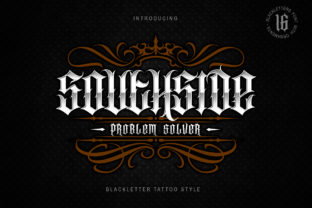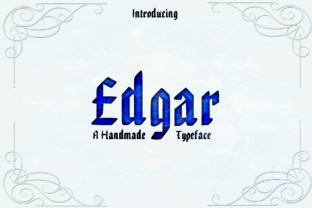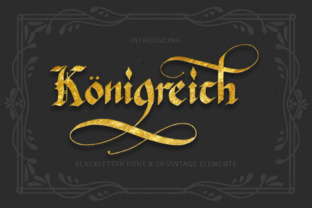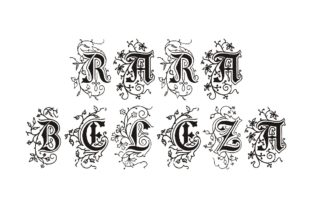
The Timeless Power of Aihet Script: Reviving Blackletter in Modern Design
In an era dominated by clean lines, minimalist sans-serifs, and digital readability, there remains a profound allure for typefaces that speak to history, authority, and artistic heritage. Among these enduring classics is Aihet Script, a powerful blackletter font that bridges the gap between medieval craftsmanship and contemporary graphic design. While many designers might initially associate blackletter with archaic texts or gothic horror movie posters, fonts like Aihet reveal a much more nuanced aesthetic potential. This article explores what makes Aihet Script unique, why it holds significant value in modern branding and creative projects, and how you can effectively incorporate this classic style into your work without compromising legibility or user experience.
Understanding the Essence of Blackletter Typography
To truly appreciate Aihet Script, one must first understand the typographic family it belongs to: blackletter. Also known as Gothic script or Old English, blackletter originated in Western Europe during the 12th century. It was the dominant handwriting style for centuries, characterized by its dense, angular forms and vertical emphasis. The name "blackletter" itself derives from the visual density of the strokes; when printed, the heavy black ink creates a solid, textured block of color on the page.
However, not all blackletter fonts are created equal. Early manuscripts were often difficult to read due to their complexity and tight spacing. Modern interpretations, such as Aihet, have been refined to balance historical authenticity with functional usability. These contemporary adaptations retain the dramatic flair and structural integrity of their ancestors while optimizing kerning (the space between letters) and stroke weight for better screen rendering and print clarity. This evolution allows designers to harness the emotional weight of traditional calligraphy without sacrificing the practical needs of modern communication.
The Unique Character of Aihet Script
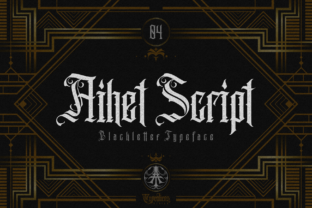
Aihet stands out within the blackletter genre due to its specific stylistic choices. Unlike some rigid, monospaced gothic fonts that can feel harsh or unreadable at small sizes, Aihet offers a fluidity that hints at the hand of the scribe. Its curves are slightly softened compared to the sharp, chisel-like edges of Fraktur or Textura, giving it a more approachable yet still majestic appearance. The "script" designation in its name suggests a dynamic flow, implying movement and elegance even within the structured framework of blackletter.
This combination of strength and grace makes Aihet particularly versatile. It possesses the gravitas required for formal documents and the artistic flair needed for creative headlines. By studying Aihet, designers learn that historical typefaces do not have to be static relics; they can be living tools that adapt to new contexts while maintaining their core identity.
Why Choose Aihet for Modern Projects?
You might wonder why a designer would choose a complex, historically rooted font over a simple Helvetica or Arial. The answer lies in brand differentiation and emotional resonance. In a crowded digital landscape where everything looks uniform, using a distinctive typeface like Aihet can immediately set a brand apart. It signals tradition, quality, and attention to detail. Here are several key reasons why Aihet is gaining traction among modern creatives:
- Heritage and Authority: If you are building a brand for a law firm, a university, a craft brewery, or a luxury watchmaker, Aihet conveys a sense of established trust and timelessness. It subtly tells the customer that your business values longevity and excellence.
- Visual Impact: Blackletter fonts have high visual weight. They grab attention. When used correctly for headlines or logos, Aihet can create a striking focal point that draws the eye instantly.
- Cultural Connection: For industries tied to European history, art, or music (such as metal bands or classical orchestras), Aihet provides an authentic visual language that resonates with the target audience’s expectations.
- Artistic Expression: For artists and illustrators, Aihet serves as a canvas for creativity. Its intricate details allow for beautiful decorative elements, borders, and flourishes that simple fonts cannot provide.
Practical Applications in Business and Creativity
Integrating Aihet Script into your projects requires a strategic approach. It is not a font meant for long paragraphs of body text, but rather a tool for emphasis and decoration. Below are common scenarios where Aihet shines:
- Logo Design and Branding: Many artisanal brands use blackletter for their primary logo mark. Imagine a boutique coffee roaster or a handmade leather goods company using Aihet for their name. The font adds a tactile, premium feel to the visual identity.
- Event Posters and Invitations: For weddings with a vintage theme, concert flyers for rock or metal genres, or academic graduation announcements, Aihet sets the perfect tone. It communicates formality and occasion.
- Packaging Design: On product labels, especially for spirits, chocolates, or organic products, Aihet can evoke a sense of old-world recipe or natural purity. It contrasts beautifully with modern, minimalist packaging layouts.
- Digital Headers and Banners: In web design, using Aihet for hero section titles can create a memorable first impression. However, it should always be paired with a highly readable sans-serif font for navigation menus and body copy to ensure accessibility.
Common Misconceptions About Using Blackletter
Despite its benefits, there are several myths surrounding the use of fonts like Aihet. Addressing these misconceptions is crucial for effective design.
Misconception 1: Blackletter is illegible. While extreme examples exist, well-designed blackletter fonts like Aihet are perfectly legible at appropriate sizes. The key is context. Using it for a menu item description might be challenging, but using it for a restaurant name is clear and effective.
Misconception 2: It is only for "Gothic" themes. While it fits dark aesthetics, Aihet is also elegant and sophisticated. It can be used in high-end fashion, legal services, or educational institutions where a serious, refined tone is desired. It is not limited to subculture associations.
Misconception 3: It is outdated. On the contrary, the trend toward "neo-traditional" design has brought blackletter back into vogue. Designers are increasingly looking for ways to inject personality and soul into digital interfaces, and historical fonts offer a rich resource for doing so.
Tips for Effective Implementation
To get the most out of Aihet Script, keep these best practices in mind:
- Pair Wisely: Always pair Aihet with a neutral, simple font. A clean sans-serif like Roboto, Open Sans, or Lato provides a perfect contrast, allowing the blackletter to stand out without overwhelming the reader.
- Use Sparingly: Treat Aihet like a spice. A little goes a long way. Use it for headlines, quotes, or short phrases. Avoid using it for large blocks of text.
- Consider Color: Blackletter can look stark against white. Experiment with off-white backgrounds, deep blues, or burgundy to enhance the classic feel. Gold foil effects in print can also elevate the luxury perception.
- Check Scalability: Ensure the font renders well at different sizes. Some intricate details in blackletter may blur or disappear if scaled down too small. Test your designs thoroughly before finalizing.
Conclusion: Embracing History in a Digital World
Aihet Script is more than just a font; it is a bridge to the past that enriches our present-day visual language. By understanding its roots and respecting its characteristics, designers and businesses can leverage its power to create meaningful, memorable communications. Whether you are launching a new brand, designing a poster, or simply looking to add a touch of elegance to your personal website, Aihet offers a timeless solution. In a world that often feels transient and disposable, choosing a typeface with such depth and history is a statement of permanence and quality. As we continue to explore the boundaries of digital design, let us not forget the beauty and power of the scripts that came before us—and give them a new life through thoughtful, modern application.