Unlocking the Bold Aesthetic: A Comprehensive Guide to Faber Fraktur
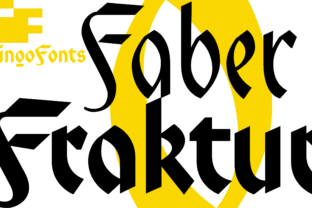
In the vast landscape of digital typography, finding a typeface that commands attention while maintaining historical gravitas is a challenge few designers meet. Enter Faber Fraktur, a bold blackletter font with a unique feel that has carved out a distinct niche in both print and digital design. It comes in a great variety of versions, and will turn any design idea into an eye catcher. Whether you are a branding expert looking to evoke heritage, a hobbyist designing a wedding invitation, or a researcher studying the evolution of Gothic scripts, understanding the nuances of this typeface is essential for creating impactful visual communication.
This article explores the multifaceted nature of Faber Fraktur, examining its historical roots, its diverse applications across industries, and the technical considerations necessary for its effective use. By delving into the characteristics that make this font stand out, we aim to provide a thorough resource for professionals and creators alike.
The Anatomy of a Modern Blackletter
To appreciate Faber Fraktur, one must first understand the tradition it inherits. Blackletter, or Gothic script, dominated Western Europe from the 12th through the 17th centuries. Known for its dense, textured appearance and intricate letterforms, it was the standard for printing and writing during the Middle Ages. However, modern interpretations like Faber Fraktur have evolved significantly from their medieval ancestors.
Distinctive Characteristics
Faber Fraktur distinguishes itself through several key typographic features:
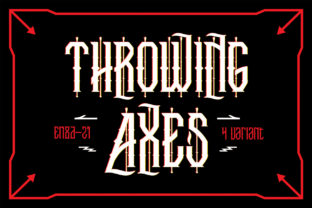
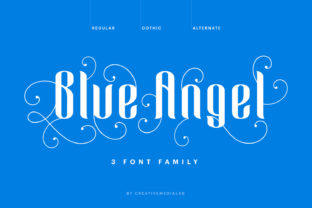
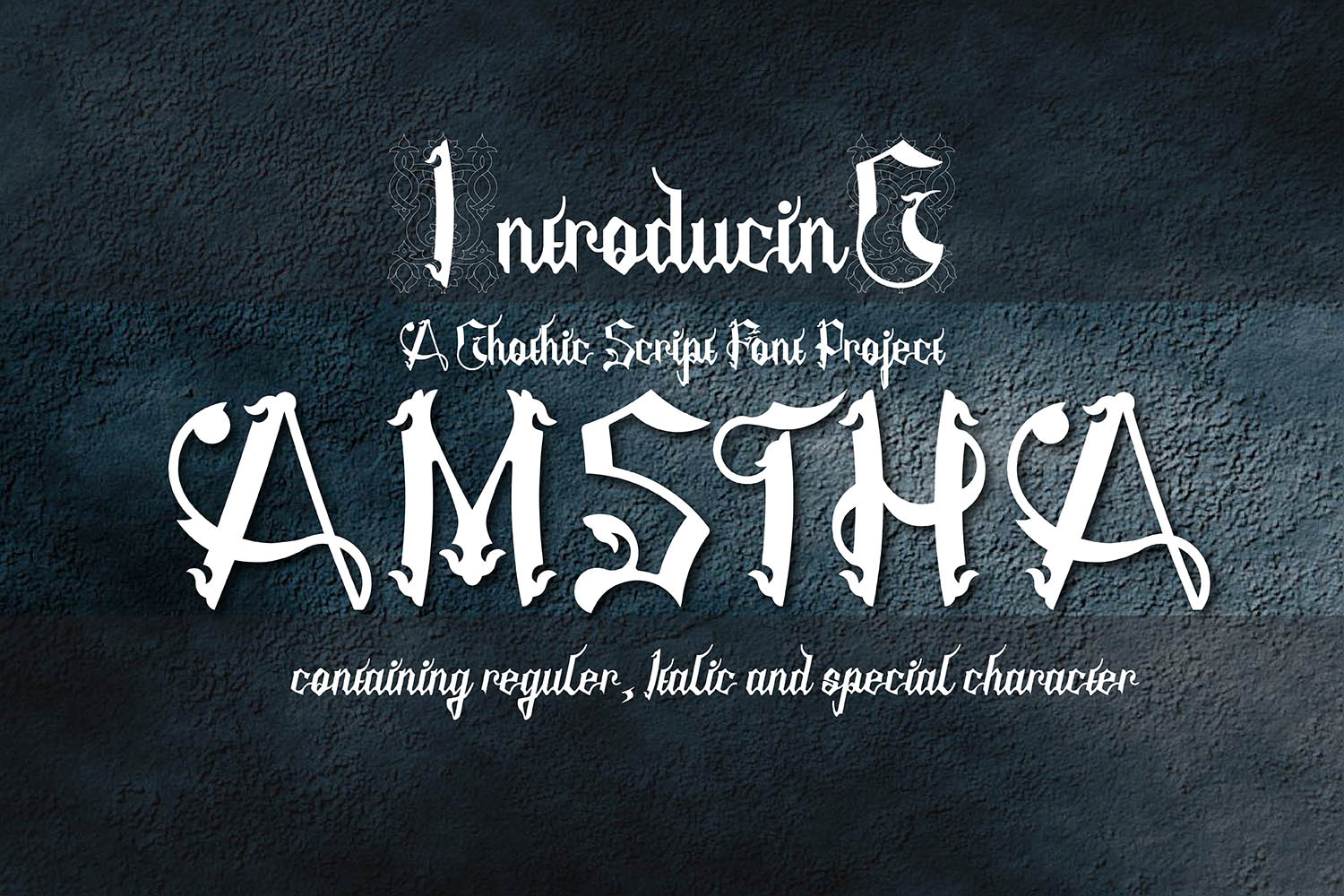
- High Contrast Strokes: Unlike traditional Fraktur which often maintains a uniform density, Faber Fraktur introduces dynamic contrasts between thick and thin strokes. This adds a sense of rhythm and movement to the text.
- Broken Forms: The font retains the characteristic "broken" look of traditional Germanic scripts, where diagonal lines intersect vertical stems at sharp angles. This creates a jagged, energetic silhouette.
- Optical Weight: As described in its classification, it possesses a bold weight that ensures legibility even at smaller sizes on screens, a common issue with many decorative blackletters.
- Versatile Variants: The family includes multiple weights and styles, allowing for hierarchical text design without sacrificing aesthetic coherence.
These characteristics allow Faber Fraktur to bridge the gap between historical authenticity and contemporary readability. It avoids the trap of being purely ornamental, instead offering a functional tool for designers who need to convey strength, tradition, and sophistication simultaneously.
Applications Across Industries
The versatility of Faber Fraktur makes it suitable for a wide array of projects. Its ability to transform a design idea into an eye catcher means it can be applied in contexts ranging from luxury packaging to digital headers. Below are some of the most effective use cases for this typeface.
Branding and Identity Design
For businesses seeking to establish a strong, memorable identity, Faber Fraktur offers immediate visual impact. It is particularly effective for brands in the following sectors:
- Breweries and Distilleries: The association between blackletter and traditional brewing heritage is well-established. Using Faber Fraktur for a craft beer label or distillery logo instantly communicates quality, history, and artisanal craftsmanship.
- Restaurants and Pubs: Establishments focusing on German cuisine, steakhouses, or historic pubs often utilize this font to create an inviting, rustic atmosphere. It signals to the customer that they are entering a space with character and depth.
- Luxury Goods: In unexpected ways, high-end fashion or jewelry brands may use blackletter accents to denote exclusivity and timelessness. The boldness of Faber Fraktur suggests confidence and permanence.
Editorial and Print Media
In the world of print, Faber Fraktur shines as a display typeface. Magazine covers, book titles, and newspaper headlines benefit from its dramatic presence. Because it comes in a great variety of versions, editors can pair a bold headline in Faber Fraktur with a clean sans-serif body text to create striking contrast. This juxtaposition guides the reader’s eye and establishes a clear visual hierarchy.
Furthermore, educators and researchers publishing on historical topics may find value in using Faber Fraktur for chapter headings or pull quotes. It adds a layer of academic seriousness and thematic relevance without overwhelming the main content.
Digital Interfaces and Web Design
While blackletter fonts are historically difficult to read in long-form digital text, Faber Fraktur has been optimized for better screen performance. Web designers can use it sparingly for:
- Hero Section Headlines: Capturing user attention within the first few seconds of page load.
- Navigation Elements: For niche sites where brand personality is paramount, such as gaming communities or fantasy role-playing platforms.
- Call-to-Action Buttons: When used in small caps or as part of a larger graphic element, it can add a touch of flair to interactive elements.
Practical Considerations for Implementation
Using Faber Fraktur effectively requires more than just selecting it from a dropdown menu. There are practical considerations regarding legibility, pairing, and context that designers must keep in mind to ensure their work remains accessible and professional.
Legibility and Readability
The primary challenge with blackletter fonts is legibility. The complex internal structures of the letters can cause them to blur together when set in paragraphs. Therefore, it is crucial to reserve Faber Fraktur for short bursts of text. Avoid using it for body copy, captions, or instructional text. Instead, rely on it for titles, logos, and emphasis. If you must use it for longer passages, ensure the font size is large and the line spacing (leading) is generous to prevent the text from feeling cramped.
Type Pairing Strategies
One of the most important aspects of working with a bold display font is choosing a complementary typeface. Since Faber Fraktur is visually heavy and detailed, it pairs best with simple, neutral fonts that do not compete for attention. Good pairing options include:
- Modern Sans-Serifs: Fonts like Helvetica, Roboto, or Open Sans provide a clean backdrop that allows the Fraktur to stand out.
- Classic Serifs: For a more traditional look, pair Faber Fraktur with serif fonts like Garamond or Baskerville. This combination evokes a sense of literary history and elegance.
Avoid pairing it with other decorative or similarly complex fonts, as this will result in visual clutter and confusion for the viewer.
Kerning and Spacing
Blackletter fonts often require careful adjustment of kerning (the space between individual characters) and tracking (the overall spacing of a word). Due to the angular nature of the letters, default spacing may appear too loose or too tight. Always review your designs at various sizes to ensure that the letters do not collide or appear disjointed. In some cases, manually adjusting specific letter pairs can significantly improve the overall aesthetic.
The Evolution and Future of Fraktur in Design
The resurgence of interest in historical typefaces reflects a broader trend in design towards authenticity and craftsmanship. In an era of minimalism and flat design, there is a growing appetite for textures, patterns, and fonts with soul. Faber Fraktur represents this shift, offering a way to inject personality and depth into digital spaces that might otherwise feel sterile.
However, the use of blackletter also carries cultural weight. Historically, Fraktur was adopted and later controversially associated with certain political movements in the 20th century. Today, designers must approach its use with sensitivity and awareness. The goal should always be to leverage its aesthetic power—its boldness, its history, its uniqueness—without inadvertently invoking negative connotations. Context is key. When used in appropriate settings, such as culinary arts, music, or historical education, Faber Fraktur celebrates heritage rather than politics.
Conclusion
Faber Fraktur is more than just a font; it is a statement. With its bold blackletter style and unique feel, it offers designers a powerful tool to create memorable, eye-catching visuals. Whether you are enhancing a brand identity, designing a printed publication, or crafting a digital experience, understanding how to wield this typeface effectively can elevate your work from ordinary to exceptional. By respecting its historical roots and adhering to best practices in typography, you can harness the full potential of Faber Fraktur to communicate strength, tradition, and artistic flair.
As you explore the variety of versions available, remember that the best results come from thoughtful application. Use it to highlight, to emphasize, and to distinguish. Let it serve as the anchor in your design composition, drawing the viewer in with its undeniable presence. In doing so, you join a long lineage of designers who have recognized the enduring appeal of the blackletter form, adapting it for the modern age with skill and intention.