Evaluating Blue Angel: A Practical Guide to Its Unique Blackletter Aesthetic
Selecting the right typeface is rarely just about finding a font that looks good on a screen. It is an exercise in visual communication, where every curve and angle must convey the intended message before the viewer even reads the text. In this landscape, Blue Angel emerges as a distinct option for designers seeking a balance between traditional elegance and modern boldness. This article provides a detailed evaluation of Blue Angel, examining its structural characteristics, ideal use cases, and how it compares to broader categories of decorative and blackletter typography.
Understanding the Anatomy of Blue Angel
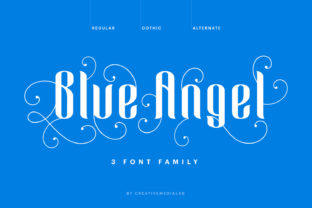
To evaluate whether Blue Angel fits your project, one must first understand what makes it unique. As the name suggests, the font draws heavily from the blackletter tradition—a style rooted in medieval manuscripts characterized by dense, angular, and highly structured letterforms. However, Blue Angel does not adhere strictly to historical accuracy. Instead, it introduces a "delicate yet bold" twist that differentiates it from heavier, more aggressive gothic fonts.
The design features thin, hairline serifs that contrast sharply with thicker vertical stems. This high-contrast structure gives the font a sense of movement and lightness, preventing it from feeling too heavy or archaic. The "Angel" aspect of the name is reflected in these refined edges and the overall airy composition of the characters. For designers working on projects that require historical gravitas but also need to feel contemporary and accessible, this hybrid approach is significant.
- High Contrast: The interplay between thick and thin lines creates visual interest without requiring additional graphic elements.
- Refined Details: The delicate nature of the font allows it to pair well with simpler sans-serif or serif body texts.
- Bold Presence: Despite its delicate lines, the density of the blackletter form ensures it commands attention at larger sizes.
Comparing Blue Angel to Standard Blackletter Options
When researchers and designers look for blackletter fonts, they often encounter options that fall into two extremes: extremely dense, unreadable Fraktur styles, or overly simplified, cartoon-like gothic scripts. Blue Angel sits comfortably in the middle ground, offering a level of legibility that many traditional blackletters lack.
Consider the typical use case for a wedding invitation or a luxury brand logo. Traditional blackletters can sometimes feel too rigid or intimidating, evoking a sense of old-world formality that may not align with modern branding values. In comparison, Blue Angel softens this formality through its lighter weight and more open counters (the enclosed spaces within letters like 'e' or 'a'). This makes it more versatile for audiences who might find standard gothic fonts difficult to read or visually overwhelming.
Furthermore, when compared to script fonts that attempt to mimic handwriting, Blue Angel offers a different kind of elegance. Scripts can vary wildly in readability and consistency. Blue Angel, being a structured typeface, provides the decorative flair of a script with the reliability and spacing control of a geometric or slab serif. This distinction is crucial for designers who need their typography to remain consistent across various media, from digital screens to printed packaging.
Ideal Use Cases and Application Scenarios
Deciding when to use Blue Angel requires an understanding of its strengths. It is not a utility font; it is a display typeface meant to be used sparingly for impact. Below are specific scenarios where Blue Angel tends to perform exceptionally well.
Branding and Logos
For brands aiming to evoke heritage, craftsmanship, or premium quality, Blue Angel serves as a strong anchor. Imagine a boutique coffee roaster, a craft brewery, or a high-end bakery. These industries often rely on visual cues of tradition and artisanal skill. Using Blue Angel for the primary logotype can instantly communicate these values. However, because the font is bold and decorative, it should ideally be paired with a clean, neutral sans-serif for secondary information like taglines or contact details. This pairing prevents the design from becoming cluttered.
Editorial and Editorial Design
In magazine layouts or book covers, Blue Angel can act as a powerful headline font. Its ability to stand out means it can draw the eye immediately to key topics. For instance, a fashion magazine cover might use Blue Angel for the main title to suggest luxury and exclusivity. The delicate nature of the font complements high-resolution photography, adding a layer of sophistication without competing with the visual weight of the images.
Packaging Design
Packaging is a competitive space where shelf appeal is critical. Products such as organic cosmetics, artisanal chocolates, or specialty teas benefit from the elegant aesthetic of Blue Angel. The font’s unique twist allows it to differentiate itself from the sea of minimalist white packaging or generic bold sans-serifs. It signals to the consumer that the product inside is carefully crafted and worth a closer look.
Evaluating Limitations and Tradeoffs
No single typeface is suitable for every project. Understanding the limitations of Blue Angel is just as important as recognizing its strengths. Misapplication can lead to designs that feel dated, hard to read, or visually chaotic.
- Legibility at Small Sizes: Like most blackletter-inspired fonts, Blue Angel loses clarity when scaled down. Using it for body text or small footnotes will result in a muddy, unreadable block of ink. It is strictly a display font, best used at sizes where individual character details can be appreciated.
- Versatility Constraints: Because Blue Angel has such a strong personality, it dominates any layout it occupies. Pairing it with another decorative font, such as a patterned script or a heavy slab serif, will create visual conflict. Designers must exercise restraint and stick to simple, understated companion fonts.
- Tone Appropriateness: The font carries connotations of tradition, luxury, and perhaps a touch of romance. It may not be appropriate for tech startups, medical services, or corporate finance firms where clarity, neutrality, and modernity are preferred. Using Blue Angel in these contexts could send mixed messages about the brand’s identity.
Decision Factors: When to Choose Blue Angel
Choosing between Blue Angel and other alternatives comes down to specific project requirements. Here is a framework for making that decision.
Choose Blue Angel if:
- The project requires a blend of historical elegance and modern simplicity.
- You need a display font that stands out without appearing aggressive or overly heavy.
- The target audience appreciates craftsmanship, luxury, or artistic expression.
- You plan to use the font primarily for headlines, logos, or short text blocks.
Consider Alternatives if:
- You need a typeface for long-form body copy or user interface elements.
- The brand identity is strictly minimalist, futuristic, or utilitarian.
- You require a font that supports a wide range of weights and languages natively without performance issues.
- The design context demands maximum readability above all else.
Conclusion on Evaluation
Blue Angel represents a thoughtful evolution of the blackletter genre. By tempering the traditional heaviness of gothic scripts with delicate, refined details, it offers designers a tool that is both distinctive and adaptable. It is not a universal solution, but for the right application—particularly in branding, editorial design, and packaging—it provides a unique aesthetic advantage.
When evaluating typography options, it is essential to look beyond initial impressions. Consider the context, the audience, and the practical constraints of the medium. Blue Angel shines when used with intention, serving as a focal point that elevates the entire design. For those willing to respect its limitations and leverage its strengths, it can turn a standard design project into a true standout.