Antelami: Bridging the Gap Between Romanesque Tradition and Gothic Drama
When you are designing a brand identity, curating an exhibition, or simply trying to find the perfect typeface for a project that demands weight and history, you often run into a specific problem. You need something that feels ancient but isn’t quite medieval, something that commands attention without shouting. Enter Antelami. This font is not just another decorative serif; it is a typographic artifact that lives in the fascinating transition period between the heavy, rounded solidity of Romanesque architecture and the vertical, intricate drama of the Gothic era.
The name itself is a nod to Benedetto Antelami, the 12th-century sculptor and architect whose work defined the Emilia-Romagna school of art. By naming this typeface after him, designers are tapping into a very specific visual language—one that feels carved from stone, imbued with religious gravity, yet structured with a humanist precision that makes it surprisingly readable. If you are looking to inject a sense of timeless authority, spiritual depth, or historical resonance into your work, understanding where Antelami fits—and where it doesn’t—is crucial.
The Visual Personality: A Moodly Hybrid
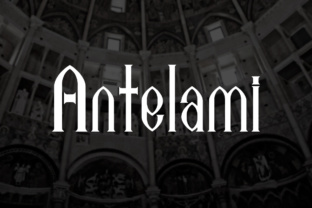
To understand why Antelami works, you have to look at its anatomy. It sits comfortably in that "moodly" space mentioned by typography enthusiasts. The endings and serifs give it a distinct Roman-Gothic air. Unlike modern grotesques that prioritize neutrality, Antelami has character. It has personality. It feels like it has been weathered by time but remains structurally sound.
The Romanesque influence is visible in the robustness of the letterforms. They are thick, grounded, and possess a certain heaviness that suggests permanence. However, the Gothic influence creeps in through the sharper angles and the vertical emphasis found in certain terminals. This combination creates a tension that is visually engaging. It is not static; it feels like it is holding its breath, waiting to be read. This makes it particularly effective for projects that need to evoke a sense of mystery, reverence, or solemnity.
Real-World Applications: Where Antelami Shines
While any font can technically be used anywhere, some typefaces have natural habitats. Antelami thrives in contexts where atmosphere is just as important as information. Here is how different industries and creatives are leveraging this unique aesthetic.
Cultural Institutions and Museums
If you are designing a poster for a museum exhibit on medieval art, Renaissance sculpture, or religious history, Antelami is almost a no-brainer. It avoids the cliché of using overly ornate "blackletter" fonts that can be difficult to read at small sizes. Instead, it offers a sophisticated alternative that signals expertise and respect for the subject matter. Imagine a gallery wall label or a brochure for a cathedral restoration project. The font’s inherent dignity lends credibility to the institution presenting it.
Premium Spirits and Artisanal Goods
There is a growing trend in packaging design toward heritage and craftsmanship. Distilleries, wineries, and artisanal bakeries often use Antelami to communicate quality and tradition. The font’s connection to stone carving and manual labor resonates with consumers who value handcrafted processes. On a whiskey bottle or a specialty coffee bag, Antelami suggests that the product inside was made with care, patience, and a deep respect for ingredients. It moves away from the sleek minimalism of modern tech brands and leans into warmth and authenticity.
Wedding and Event Stationery
For couples planning a wedding with a classical, romantic, or slightly gothic theme, Antelami provides a unique voice. Traditional scripts can sometimes feel too frivolous or overly delicate. Antelami, with its sturdy structure and religious undertones, offers a more substantial presence. It works beautifully for invitations, menus, and place cards, creating an ambiance that feels both intimate and grand. The "moodly" style adds a layer of emotional depth that standard serif fonts might lack.
Music and Entertainment
Album covers, concert posters, and band merchandise often rely on typography to set the tone before a single note is heard. For genres like folk, indie, neo-classical, or even certain subgenres of metal that draw on historical imagery, Antelami is a powerful tool. It captures the raw, earthy energy of live performance while maintaining a level of artistic refinement. It suggests a band that is rooted in tradition but pushing boundaries.
Who Benefits Most from This Typeface?
The beauty of Antelami lies in its versatility across different user profiles. Graphic designers appreciate it for its ability to anchor a layout without overwhelming other elements. Copywriters and editors might find its readability sufficient for headlines and short body text, provided the contrast is high enough. Marketing strategists value it for its ability to instantly communicate brand values related to heritage, stability, and spirituality.
However, it is not for everyone. If you are designing a website for a fintech startup or a medical app, Antelami will likely clash with the desired aesthetic of cleanliness, speed, and trust-through-transparency. In those cases, a neutral sans-serif or a clean humanist serif would be a better choice. Antelami demands context. It needs room to breathe and a narrative that supports its historical weight.
Practical Considerations Before You Choose
Before dropping Antelami into your next project, there are a few practical aspects to keep in mind. First, consider legibility. While the font is designed to be readable, its distinctive serifs and varying stroke weights can become muddy if scaled down too small. It is best suited for display purposes—headlines, titles, logos, and large-format print. Using it for long paragraphs of body text can fatigue the reader due to its strong visual character.
Second, think about pairing. Because Antelami is so expressive, it pairs best with simple, understated fonts. A clean sans-serif or a light italic serif can provide the necessary contrast without competing for attention. Avoid pairing it with other decorative fonts, as the result will likely be chaotic and cluttered.
Finally, consider the medium. Antelami was born from the idea of stone carving, which means it looks stunning in physical print. The texture of paper, the embossing of foil, or the relief of letterpress can enhance its three-dimensional qualities. On screen, ensure that the resolution is high enough to capture the nuances of its serifs. Low-resolution displays may blur its sharp edges, diminishing its impact.
Conclusion: A Timeless Choice for Modern Needs
In a digital landscape dominated by flat design and minimalist aesthetics, Antelami offers a refreshing return to substance and soul. It reminds us that typography is not just about conveying words; it is about evoking feelings. Whether you are branding a luxury hotel, designing a memorial service program, or creating a limited-edition book cover, Antelami provides a bridge between the past and the present. It allows you to speak with the voice of history, ensuring that your message is not only heard but felt. When used thoughtfully, it transforms ordinary designs into experiences that linger in the mind long after the viewer has looked away.