Sirunian: A Gothic Display Font for Timeless Design
In a digital landscape saturated with clean, minimalist sans-serifs and uniform geometric typefaces, finding a premium font that commands attention without sacrificing elegance is a challenge. Enter Sirunian, an experimental and gothic-inspired typeface that feels less like a standard character set and more like a piece of architectural art. It is gorgeous, evocative, and undeniably striking. For designers, brand strategists, and creative professionals looking to inject a sense of history and gravity into their projects, Sirunian offers a compelling alternative to the mundane.
This isn’t just another decorative asset; it is a tool for storytelling. Whether you are working on editorial design, crafting a high-end brand identity, or designing packaging that needs to stand out on a crowded shelf, Sirunian brings a specific weight and texture to the table. Its stunningly intricate detailing invites the eye to linger, making it an excellent choice for display or headline options where legibility at large sizes is paramount.
The Visual Personality of Sirunian
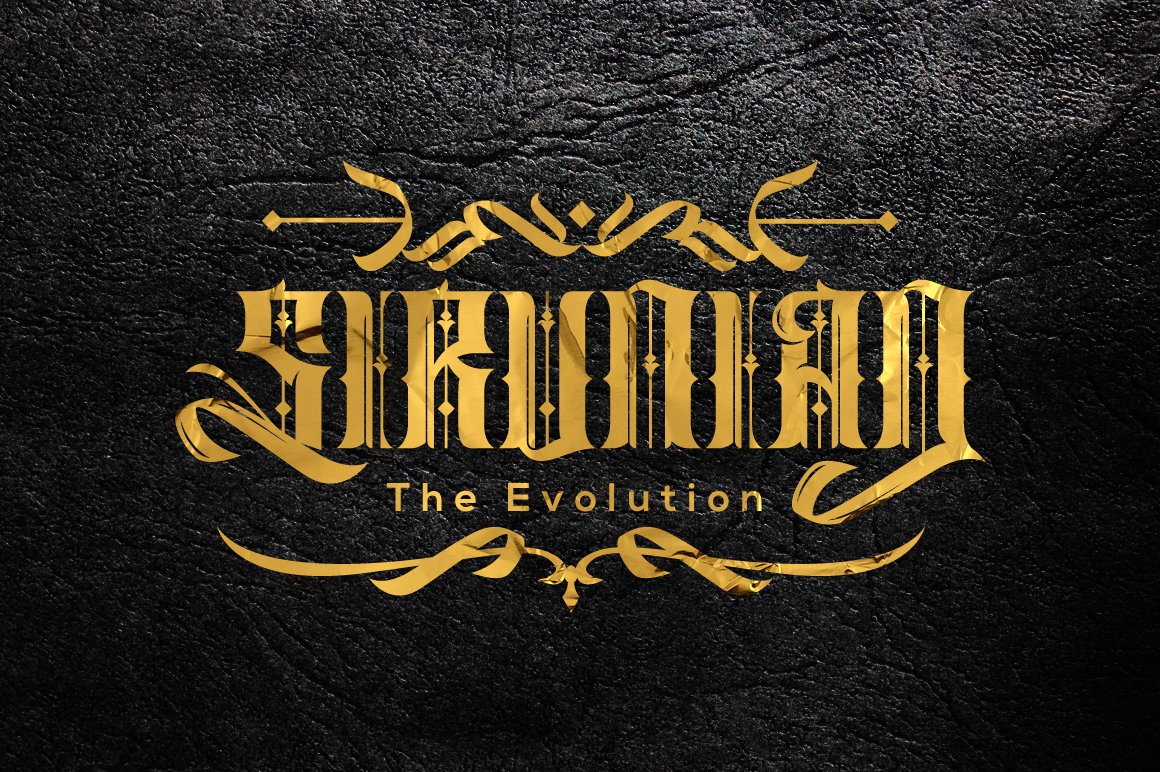
To understand why Sirunian works, you have to look past the letters themselves and consider the atmosphere they create. The font draws heavily from gothic traditions but strips away the heaviness that often makes blackletter type difficult to read. Instead, it retains the verticality, the sharp angles, and the ornate flourishes that evoke images of years past—think illuminated manuscripts, old-world typography, and vintage posters.
Visually, Sirunian is defined by its contrast. The thick and thin strokes create a rhythm that guides the reader’s eye down the page. This is not a sans serif font that blends into the background; it is a statement piece. The "intricate detailing" mentioned in its description refers to the subtle serifs and the slight irregularities in the stroke width that give it a hand-crafted feel, even though it is a digital typeface. This gives it a personality that is both authoritative and artistic.
It sits somewhere between a traditional serif font and a highly stylized script font, though it lacks the flowing connectivity of a true script. Instead, it has a structured rigidity that lends itself well to formal contexts. When you see Sirunian, you think of heritage, luxury, mystery, and craftsmanship. It doesn’t shout; it whispers with confidence.
Where Sirunian Shines: Practical Applications
Not every project calls for such a distinct voice. In fact, using Sirunian as body text would be a mistake. Its complexity reduces readability at small sizes, which is exactly why it is recommended for display use. However, when used correctly, its impact on brand perception and audience engagement can be profound. Here is where this creative font truly excels:
- Logo Design and Brand Identity: If you are building a brand around artisanal goods, a boutique hotel, a heritage fashion label, or a premium spirits company, Sirunian provides an instant visual cue of quality. It signals that the brand values tradition and detail. It pairs exceptionally well with clean, modern elements to create a juxtaposition that feels both timeless and contemporary.
- Packaging Design: On a product shelf, visibility is key. Sirunian’s bold forms catch the eye from a distance. Imagine a label for craft beer, organic wine, or high-end cosmetics. The gothic inspiration adds a layer of sophistication that mass-market fonts simply cannot replicate.
- Editorial and Publishing: For book covers, magazine headers, or chapter titles, Sirunian sets the tone immediately. It works beautifully for genres like fantasy, historical fiction, horror, or true crime. It adds a narrative weight to the text before the reader even begins.
- Social Media Graphics and Web Design: While it may not be suitable for long-form web content, Sirunian is perfect for hero sections, banners, and promotional graphics. Used sparingly in web design, it can break up the monotony of standard layouts and draw attention to call-to-action buttons or special offers.
- Event and Music Posters: The gothic aesthetic naturally fits music festivals, theater productions, and concert tours, particularly those leaning toward rock, classical, or alternative genres. It conveys drama and intensity.
Strategic Typography: Pairing and Hierarchy
One of the most common questions designers face is how to pair a dominant display font like Sirunian. The golden rule here is balance. Because Sirunian is so visually dense and expressive, it needs a partner that is quiet, neutral, and highly readable. This is where your choice of a complementary typeface becomes critical.
A classic modern typography approach is to pair Sirunian with a clean, geometric sans serif font. Think of fonts like Helvetica, Montserrat, or Lato. The simplicity of the sans serif allows the intricate details of Sirunian to take center stage without competing for attention. This combination creates a strong visual hierarchy: Sirunian grabs the viewer’s interest, while the sans serif delivers the necessary information clearly.
Alternatively, if you want to lean into the gothic theme, you might pair it with a delicate handwritten font or a light italic serif. This can create a romantic, vintage aesthetic suitable for wedding invitations or personal branding. However, caution is advised; too many decorative elements can make a design feel cluttered and unprofessional. The goal is consistency and professionalism, ensuring that the font supports the message rather than distracting from it.
When evaluating project fit, always consider the medium. For print, you can afford to push the intricacy further because the resolution is higher and the viewing distance is controlled. For digital screens, especially on mobile devices, ensure that the details don’t get lost in pixelation. Test your designs at various sizes to guarantee that the essence of Sirunian remains intact.
Evaluating Styles and Licensing
Sirunian is available in two primary styles: Inline and Regular. Understanding the difference between these is crucial for effective implementation.
- Regular: This is the standard version, filled with solid shapes. It is best used for maximum impact and readability at larger sizes. It provides the full gothic experience.
- Inline: This style features a cut-out or outlined effect within the letterforms. It is lighter visually and can be used to create layered effects or to add texture without overwhelming the composition. It is particularly useful for backgrounds or secondary headlines where you want the shape of the font to be present but less dominant.
Before integrating Sirunian into your workflow, review the included styles carefully. Does the inline version offer enough contrast for your needs? Do the regular weights provide the weight required for your logo? Testing these variations in your actual design environment will help you determine their utility.
Furthermore, always check the commercial licensing terms. As a commercial font, Sirunian likely requires a license for use in client work, products for sale, or corporate branding. Ensure you understand the scope of the license to avoid legal issues. Many foundries offer different tiers for web, desktop, and extended usage, so choose the one that aligns with your project’s reach.
Final Thoughts on Using Sirunian
Sirunian is more than just a collection of glyphs; it is a mood setter. It appeals to those who appreciate the nuance of design and the power of visual history. By using it strategically—as a headline, a logo mark, or a key element in packaging design—you can elevate your projects from ordinary to extraordinary.
Remember that good design is about restraint. Let Sirunian be the star, but support it with thoughtful layout, appropriate color palettes, and complementary typefaces. When done right, the result is a cohesive, professional, and deeply engaging visual experience that resonates with your audience. Whether you are a seasoned designer or a hobbyist exploring new design assets, Sirunian offers a unique opportunity to bring a touch of gothic elegance to your creative portfolio.