Arshaka: Bridging Futuristic Design and Nostalgic Roots
In the ever-evolving landscape of digital and print design, finding a typeface that commands attention without sacrificing readability is a constant challenge. Enter Arshaka, an experimental blackletter font that defies traditional categorization. It is not merely a revival of medieval scripts nor a standard futuristic sans-serif; it is a hybrid creation that feels simultaneously ancient and avant-garde. For designers, developers, and content creators, Arshaka offers a unique visual vocabulary that can elevate a project from ordinary to unforgettable.
This article explores what makes Arshaka distinct, why it matters to various professional groups, and how you can integrate this bold typeface into your workflow effectively. Whether you are a seasoned graphic designer looking for a statement piece or a small business owner seeking brand differentiation, understanding the nuances of Arshaka is essential for making informed typographic choices.
What Is Arshaka?
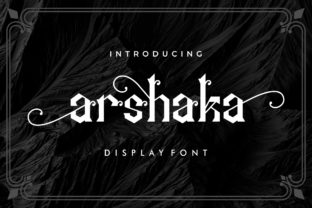
At its core, Arshaka is an experimental blackletter font. Traditional blackletter, often associated with Gothic script, is characterized by dense, angular strokes and high contrast. However, Arshaka reinterprets these historical elements through a modern lens. The result is a typeface that retains the dramatic flair and intricate details of calligraphy but strips away the heaviness that often makes traditional blackletter difficult to read in digital contexts.
The font’s aesthetic is defined by two competing yet harmonious forces:
- Nostalgia: It evokes the feeling of old manuscripts, punk rock flyers, and heritage brands, tapping into a sense of history and authenticity.
- Futurism: Its sharp angles and streamlined forms suggest technology, cyberpunk aesthetics, and forward-thinking innovation.
This duality makes Arshaka versatile. It is not just a decorative font; it is a tool for storytelling. When you use Arshaka, you are signaling that your project respects tradition while embracing the future.
Why Different Audiences Should Care
Not every typeface serves every purpose. The value of Arshaka shifts depending on who is using it and why. Below, we break down how different user groups might evaluate and utilize this experimental font.
For Beginners and Hobbyists
If you are new to design, typography can feel intimidating. Blackletter fonts are often perceived as "difficult" because they require careful spacing and context to look good. Arshaka simplifies this learning curve. Its experimental nature means it is forgiving in certain layouts where traditional blackletter would fail. For hobbyists creating custom t-shirts, band merchandise, or personal blogs, Arshaka provides an instant "cool factor" without requiring advanced kerning skills. It allows beginners to create professional-looking designs quickly, boosting confidence and encouraging further exploration of design principles.
For Creators and Freelancers
Freelance designers live and die by their ability to stand out. Clients often ask for work that looks "unique" or "memorable." Arshaka answers that brief perfectly. Because it is less common than standard serif or sans-serif fonts, using Arshaka helps freelancers deliver bespoke solutions. A logo designed with Arshaka will likely be more distinctive than one using a popular Google Font. For social media managers and content creators, Arshaka can be used for headers, quotes, or promotional banners to break the monotony of standard text-heavy posts.
For Professionals and Agencies
Senior designers and art directors view Arshaka as a strategic asset. They understand that typography sets the tone before a single word is read. In branding projects for tech startups, music festivals, or luxury streetwear brands, Arshaka bridges the gap between edgy and elegant. Professionals appreciate the font’s flexibility—it can be used for display purposes (headlines) without overwhelming the body copy when paired correctly. The key for professionals is restraint: using Arshaka sparingly to create impact rather than clutter.
For Educators and Publishers
Educators may find Arshaka useful in materials related to history, art, or literature, particularly when discussing the evolution of writing systems. It serves as a visual aid to demonstrate how scripts have transformed over centuries. For publishers, especially those in niche markets like indie zines or specialty magazines, Arshaka adds a layer of sophistication and intrigue. It signals to the reader that the content within is curated and thoughtful.
Practical Applications Across Industries
To help you decide if Arshaka fits your needs, consider these practical examples based on specific goals and priorities.
Branding and Identity
Priority: Memorability and Uniqueness
A craft brewery or a boutique coffee shop might use Arshaka for its logo. The font’s nostalgic roots align with the artisanal nature of the product, while its futuristic edge suggests a modern twist. This combination appeals to consumers who value both quality and contemporary culture.
Digital Marketing and Web Design
Priority: Engagement and Click-Through Rates
In email marketing campaigns or landing pages, Arshaka can be used for call-to-action buttons or hero headlines. The visual weight of the font draws the eye immediately. However, web designers must ensure that the font loads correctly across all devices and that the text size is large enough to remain legible on mobile screens. Accessibility should never be compromised for style.
Event Posters and Merchandise
Priority: Visual Impact and Speed
For event organizers, time is often limited. Arshaka allows for rapid design iterations. Its bold presence ensures that posters for concerts, exhibitions, or workshops grab attention from a distance. On merchandise, such as tote bags or stickers, the font’s intricate details become a focal point, turning everyday items into conversation starters.
Evaluating Ease of Use and Quality
When selecting a font, ease of use and quality are paramount. Arshaka is generally available as a high-quality vector file, ensuring crisp rendering at any size. This is crucial for professionals who need to scale logos from business cards to billboards without losing detail.
However, users should be aware of the following considerations:
- Licensing: Always check the license terms. Some experimental fonts may have restrictions on commercial use or redistribution. Ensure you have the right to use Arshaka for your specific project, whether it is a personal blog or a corporate campaign.
- Pairing: Arshaka is a strong personality typeface. It works best when paired with simple, clean sans-serif or serif fonts for body text. Avoid pairing it with other decorative fonts, as this can create visual chaos.
- Readability: Do not use Arshaka for long paragraphs of text. Its complexity reduces reading speed and comprehension. Reserve it for short phrases, titles, and accents.
Is Arshaka Right for You?
Determining whether Arshaka matches your goals requires honest self-assessment. Ask yourself these questions:
- Do I need my design to stand out immediately? If yes, Arshaka is an excellent choice.
- Am I comfortable experimenting with layout and spacing? If you are a beginner, start with headlines only. If you are experienced, you can explore more complex compositions.
- Does my brand voice align with a blend of old and new? Arshaka is not suitable for minimalist, corporate, or purely scientific contexts where clarity and neutrality are preferred.
For many creators, Arshaka represents a perfect middle ground. It offers the creativity of a custom hand-drawn font with the reliability of a digital typeface. By understanding its strengths and limitations, you can leverage Arshaka to create designs that are not only visually striking but also strategically sound.
Whether you are designing a logo, editing a blog post, or planning a marketing campaign, Arshaka provides a powerful tool for expression. Embrace its dual nature, respect its constraints, and let it bring a unique flavor to your creative projects. In a world saturated with generic templates, choosing Arshaka is a decision to prioritize character, depth, and distinction.