Jackster Font Evaluation
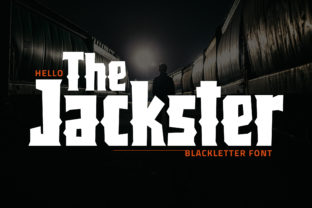
Selecting the right typography is a critical step in visual design, particularly when working within specific thematic genres. For designers, crafters, and brand managers focusing on Western or cowboy aesthetics, finding a typeface that balances authenticity with modern readability can be challenging. Jackster has emerged as a notable option in this niche. It is described as a bold and strong blackletter font that manages to be both serious and fun. This article provides an objective evaluation of Jackster, exploring its characteristics, potential applications, tradeoffs, and suitability for various projects.
Understanding Jackster’s Design Identity
To evaluate Jackster effectively, it is necessary to first understand its visual language. The font is classified as a blackletter, a style historically associated with medieval manuscripts but frequently repurposed in modern graphic design to evoke tradition, strength, and heritage. In the context of Western themes, Jackster draws inspiration from the rugged signage of the American frontier, saloon posters, and wanted notices.
What distinguishes Jackster from more traditional gothic or blackletter typefaces is its tonal balance. Many fonts in this category lean heavily into seriousness, appearing austere or difficult to read at small sizes. Conversely, some novelty fonts sacrifice legibility for whimsy. Jackster attempts to bridge this gap. It retains the heavy weight and dramatic serifs characteristic of blackletter scripts, ensuring it commands attention, yet incorporates structural elements that prevent it from feeling overly archaic or intimidating. This duality allows it to function as a display font that is impactful without being inaccessible.
Primary Applications in Western-Themed Design
The most obvious use case for Jackster is in Western or cowboy-themed crafts and branding. Whether designing a logo for a rodeo event, creating labels for artisanal whiskey, or crafting invitations for a country-western wedding, Jackster offers immediate thematic resonance. Its bold strokes make it ideal for headlines, titles, and large-scale displays where impact is prioritized over body text.
Craft Projects and DIY Decor
For hobbyists and small business owners engaged in physical crafts, Jackster serves as a versatile tool. It is frequently used in:
- Signage: Creating rustic signs for home decor, farmhouses, or commercial spaces like bars and restaurants.
- Apparel Design: Printing designs on t-shirts, hats, and denim jackets where high contrast is required.
- Packaging: Enhancing product packaging for goods such as leatherware, boots, or western wear.
- Event Materials: Designing banners, flyers, and tickets for festivals or themed parties.
In these contexts, Jackster helps elevate the perceived quality of the project. By using a professionally designed typeface rather than a generic script, creators signal attention to detail. The font’s "fun" aspect allows it to work well in casual settings, preventing the design from looking too stiff or formal.
Evaluating Benefits and Strengths
When considering Jackster for a project, several advantages stand out. First is its thematic clarity. Unlike serif fonts that might require additional graphical elements (such as horseshoes or stars) to establish a Western vibe, Jackster communicates the genre through its letterforms alone. This reduces clutter and allows other design elements to shine.
Second is its visual weight. As a bold font, it requires less size to achieve visibility. This is particularly useful in digital design, where space is often limited, or in print materials where the audience may be viewing the content from a distance. The strong presence of the letters ensures that the message is read quickly.
Third is its versatility within the niche. While many Western fonts are either too ornate or too simplistic, Jackster occupies a middle ground. It can pair well with simpler sans-serif fonts for body text, creating a balanced hierarchy. The contrast between the decorative Jackster headers and clean supporting text can create a sophisticated look that appeals to a broader audience than just those seeking a purely rustic aesthetic.
Tradeoffs and Limitations
No single typeface is suitable for every situation. When evaluating Jackster, it is important to acknowledge its limitations. The primary drawback of any blackletter-style font is legibility. Due to the complexity of the letterforms, Jackster is not recommended for long passages of text. Using it for paragraphs or detailed descriptions will fatigue the reader and hinder comprehension. It should strictly be reserved for short phrases, titles, or single words.
Another consideration is tone mismatch. While Jackster is described as "fun," it is still inherently bold and loud. If the goal is to convey elegance, subtlety, or corporate professionalism, Jackster may be too aggressive. For example, a luxury watch brand attempting to evoke Western heritage might find Jackster too cartoonish or informal. In such cases, a more refined serif or a lighter script might be more appropriate.
Additionally, pairing challenges exist. Because Jackster is visually dominant, it can overwhelm complementary fonts if not chosen carefully. Designers must test combinations extensively to ensure that the secondary font does not compete with the primary typeface for attention.
Alternatives to Consider
Depending on specific project needs, there are alternative approaches to consider alongside or instead of Jackster.
Refined Serif Fonts
If the goal is to evoke the Old West with a sense of history and sophistication rather than ruggedness, a slab serif or a high-contrast serif font may be better. These fonts offer readability for longer texts while still maintaining a classic aesthetic. They are suitable for book covers, editorial layouts, or brands aiming for a more upscale market.
Handwritten Scripts
For a softer, more personal touch, handwritten or brush script fonts can mimic the feel of hand-painted saloon signs. These fonts are excellent for weddings, boutique branding, or artistic projects where a human, imperfect touch is desired. However, they lack the structural strength and uniformity that Jackster provides.
Modern Western Hybrids
Some contemporary typefaces blend Western motifs with modern geometric shapes. These fonts are cleaner and often more readable than traditional blackletters. They are ideal for tech startups with a Western theme or modern apparel brands that want to appeal to younger demographics who may find traditional blackletter fonts outdated.
Decision-Making Insights
To determine if Jackster aligns with your goals, ask the following questions:
- Is brevity key? Will the text be limited to headlines or short slogans? If yes, Jackster is a strong candidate.
- Is the tone bold and engaging? Does the project require a voice that is energetic and direct? Jackster supports this energy.
- Is the audience familiar with Western tropes? The font relies on cultural associations with the American West. If the audience lacks this context, the design may not land as intended.
- Do you need body text compatibility? Ensure you have a plan for secondary text. Jackster should not be used alone for entire documents.
In conclusion, Jackster is a specialized tool best suited for specific creative endeavors. It excels in Western-themed crafts, logos, and promotional materials where visual impact and thematic accuracy are paramount. While it has limitations regarding readability and tonal flexibility, its ability to combine seriousness with fun makes it a valuable asset for designers looking to add character and distinction to their work. By understanding its strengths and constraints, users can make informed decisions about when and how to incorporate Jackster into their projects.