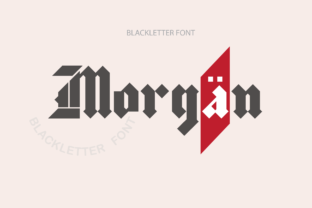
Morgan: The Gothic Typeface That Bridges Medieval History and Modern Design
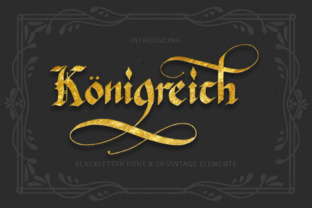
If you have ever scrolled through a heavy metal album cover, browsed the menu of a traditional pub, or designed a vintage-style wedding invitation, you have likely encountered a typeface that feels instantly authoritative, historical, and slightly mysterious. This is the world of Blackletter, and Morgan is one of its most accessible and versatile modern interpretations. Inspired by the classic Blackletter, Old English, and Gothic texts that dominated European writing from the 12th century onward, Morgan brings that heavy, ornate aesthetic into contemporary digital and print design without feeling like a museum relic.
While these styles were once the standard for everyday communication in Europe, they have evolved into specialized tools used primarily for decorative purposes. Today, Morgan serves as a powerful visual shorthand. It evokes a sense of age, tradition, and weight. Whether you are a graphic designer looking to add character to a brand identity or a hobbyist creating custom merchandise, understanding how to use Morgan effectively can elevate your projects from ordinary to unforgettable.
The Evolution of a Classic Style
To appreciate Morgan, it helps to understand where its visual DNA comes from. Blackletter scripts originated in the medieval period, becoming the dominant style for written documents across Western Europe. These fonts were dense, angular, and highly structured, designed for durability and readability with quills on parchment. Over centuries, as printing presses spread and typography modernized, Blackletter fell out of favor for general text. However, it never disappeared entirely.
Instead, it retreated into specific niches where its unique aesthetic could shine. Today, when we see Blackletter-inspired fonts like Morgan, we are not seeing a functional tool for reading long paragraphs of body copy. We are seeing a stylistic choice meant to evoke emotion. Morgan captures the essence of those historic texts but simplifies them just enough to remain legible in modern contexts. It retains the dramatic flair of the past while offering the clean lines necessary for today’s screens and high-resolution prints.
Where Morgan Fits in Modern Design
The beauty of Morgan lies in its adaptability. Because it carries such strong cultural associations, it can set the tone for a project instantly. Here is how different industries and creators are using this font in real-world scenarios.
Music and Entertainment Branding
Perhaps the most obvious home for Morgan is the music industry, particularly within the rock and metal genres. The sharp angles and dark density of Blackletter fonts align perfectly with the intensity and rebellion often associated with heavy metal. Bands use Morgan for logos, tour posters, and album art to signal their genre before the listener even hears a note. But it is not limited to extreme music. Indie rock bands and punk groups also use Morgan to convey a raw, DIY aesthetic that feels authentic and unpolished.
Hospitality and Dining
Walk into a craft brewery, a gastropub, or a steakhouse that prides itself on "old-world" charm, and you will likely find Morgan on the menu boards, coasters, and signage. In these settings, the font does heavy lifting by establishing an atmosphere. It suggests heritage, quality ingredients, and a relaxed, communal vibe. For bar owners and restaurant marketers, Morgan is a quick way to communicate that the establishment values tradition and craftsmanship over modern minimalism.
Weddings and Event Invitations
In the realm of personal celebrations, Morgan offers a romantic yet bold alternative to script fonts. Couples planning rustic, vintage, or gothic-themed weddings often choose Morgan for their invitations and save-the-dates. It pairs beautifully with floral illustrations or wax seals, creating a look that is elegant but grounded. Unlike delicate calligraphy, which can sometimes feel too fragile, Morgan has presence. It commands attention and adds a touch of drama to special occasions.
Apparel and Streetwear
Fashion designers and streetwear brands frequently incorporate Morgan into t-shirts, hoodies, and caps. The font works exceptionally well in screen printing because its bold strokes hold up well against fabric textures. Brands use it to create a sense of urban edge or to pay homage to skate culture and underground scenes. When printed in white on black fabric, or in gold foil on leather jackets, Morgan becomes a statement piece rather than just text.
Practical Considerations for Using Morgan
While Morgan is a striking choice, it is not a one-size-fits-all solution. To use it effectively, you need to be mindful of context, contrast, and audience.
- Legibility is Key: Blackletter fonts can be difficult to read at small sizes or from a distance. Avoid using Morgan for body text, navigation menus, or critical information like phone numbers. Reserve it for headlines, titles, and short phrases where impact matters more than ease of reading.
- Pairing with Other Fonts: Because Morgan is so visually dominant, it needs support. Pair it with simple, clean sans-serif or serif fonts for secondary information. A stark contrast between the ornate Morgan and a plain font creates a balanced hierarchy that guides the viewer’s eye.
- Color and Background: The density of Morgan means it can look muddy if placed on busy backgrounds or low-contrast colors. Ensure there is sufficient negative space around the letters. High-contrast color combinations, such as black on cream or white on navy, tend to work best.
- Audience Perception: Be aware that Blackletter can carry connotations beyond just "vintage." In some contexts, it may be associated with specific subcultures or historical periods that might not align with your brand message. Always test your design with a sample of your target audience to ensure the vibe matches your intent.
Why Choose Morgan Over Other Blackletter Fonts?
The market is saturated with Blackletter options, ranging from historically accurate reproductions to heavily stylized variations. Morgan stands out because of its balance. Many authentic Blackletter fonts are too complex, featuring intricate flourishes that break down when scaled down. Others are too cartoonish, losing the gravitas of the original style.
Morgan strikes a middle ground. It is clean enough for modern digital interfaces yet detailed enough to retain the Gothic soul. This makes it ideal for users who want the aesthetic of Old English without the technical headaches of managing overly complex vector paths. For web designers, this means faster load times and better rendering across different browsers. For print designers, it means easier kerning and spacing adjustments.
Final Thoughts on Creative Application
Using Morgan is about more than just picking a font; it is about tapping into a visual language that has been refined over centuries. When you use Morgan, you are invoking feelings of history, strength, and tradition. Whether you are branding a new beer, designing a concert poster, or crafting a personal project, this font provides a shortcut to emotional resonance.
As you experiment with Morgan, remember that restraint is your best friend. Let the font speak for itself in key moments, and let simpler elements handle the rest. By respecting the weight and history of the typeface, you can create designs that are not only visually stunning but also deeply connected to the rich legacy of typography. In a design landscape often dominated by minimalism, Morgan offers a refreshing return to bold, expressive, and timeless style.