Zarathustra Script: Reviving Bold Calligraphy for Modern Design Projects
In an era where digital interfaces often prioritize minimalism and sans-serif clarity, there is a growing counter-movement that seeks to inject personality, history, and tactile warmth into visual communication. This is where Zarathustra Script emerges as a compelling choice for designers, marketers, and creative professionals who want their work to stand out without sacrificing legibility or style. It is not merely a decorative typeface; it is a bridge between the ornate traditions of medieval calligraphy and the playful demands of contemporary branding.
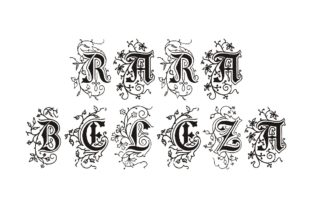
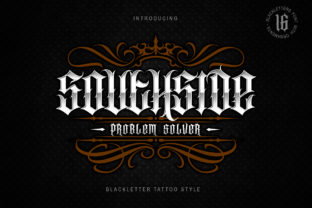
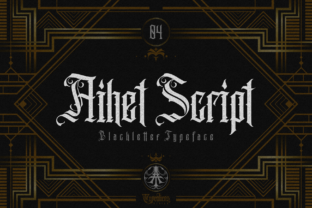
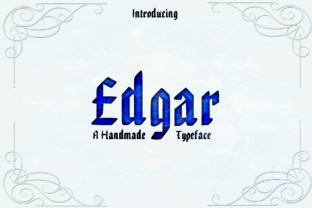
This font has elements of blackletter in the calligraphy, and can add a stylish and bold appeal to your work. By blending the structural weight of Gothic scripts with the fluidity of modern script writing, Zarathustra Script offers a unique aesthetic that feels both ancient and freshly relevant. For creators looking to elevate their projects from standard to spectacular, understanding the nuances of this typeface is essential.
The Evolution of Blackletter in Contemporary Design
To appreciate why Zarathustra Script is gaining traction, one must first understand the historical context of its inspiration. Blackletter, also known as Gothic script, dominated Western European writing from the 12th through the 17th centuries. Historically associated with religious texts, legal documents, and formal proclamations, these fonts were dense, heavy, and highly structured. For decades, they carried connotations of formality, authority, and sometimes even exclusion.
However, design trends have shifted dramatically in the last ten years. The rigid corporate aesthetics of the early 2000s have given way to more expressive, human-centric designs. Audiences are craving authenticity and character. They are tired of the "flat" design movement’s sterility. In response, designers are revisiting historical typefaces but reinterpreting them for modern screens and print media. This is not about creating a literal replica of a 15th-century manuscript, but rather capturing the spirit of those eras—the drama, the ink flow, and the hand-crafted feel—and adapting it for today’s fast-paced visual landscape.
Zarathustra Script fits perfectly into this evolution. It retains the distinctive angularity and thick-to-thin contrast of traditional blackletter but softens the edges with script-like connections. This hybrid nature makes it accessible. It avoids the intimidation factor of pure Old English styles while maintaining enough visual weight to command attention. For businesses and individuals alike, this represents a shift towards "nostalgic modernism," where past aesthetics are used to create future-forward brand identities.
Why Zarathustra Script Stands Out
Not all display fonts are created equal. Many script fonts suffer from poor kerning, illegible ligatures, or a lack of versatility. Zarathustra Script distinguishes itself by being a beautiful script font, perfect for use in a wide range of fun and quirky projects. Its design balances complexity with readability, allowing it to function effectively in various contexts without overwhelming the viewer.
Visual Impact and Readability
The primary challenge with any decorative font is ensuring that the message is not lost in the decoration. Zarathustra Script addresses this by maintaining clear letterforms. While it features dramatic flourishes and strong vertical stress, the internal spacing (counter space) remains open enough for the eye to track comfortably. This is crucial for headlines, logos, and packaging where the text must be read quickly. When used correctly, it adds a layer of sophistication that plain fonts cannot achieve.
Versatility Across Media
One of the most practical aspects of Zarathustra Script is its adaptability. In the digital age, fonts must perform well on small mobile screens as well as large billboards. Because this font has elements of blackletter in the calligraphy, it possesses a strong silhouette that scales well. Whether you are designing a website header, a social media graphic, or a printed invitation, the font holds its shape. It does not blur or break apart easily, making it a reliable tool for multi-platform campaigns.
Practical Applications for Creators and Businesses
Understanding the theoretical appeal of a font is one thing; knowing how to use it is another. Zarathustra Script is not a general-purpose body text font. It is a display typeface, meaning it shines when used sparingly and strategically. Here is how different groups within the target audience can leverage this font effectively.
Branding and Logo Design
For entrepreneurs and business owners, the logo is the face of the company. If you are launching a brand in industries such as craft brewing, artisanal food production, boutique hospitality, or heritage fashion, Zarathustra Script can provide immediate visual cues. It suggests craftsmanship, tradition, and quality. Imagine a logo for a local coffee roastery or a handmade leather goods store. Using this script implies that the product was made with care, echoing the hand-written origins of the typeface itself. It helps brands differentiate themselves in crowded markets by offering a distinct visual identity that feels personal and curated.
Event Marketing and Invitations
Weddings, galas, concerts, and themed parties often require typography that sets a specific mood. Zarathustra Script is ideal for event collateral. Its quirky yet bold nature works well for rock concerts, vintage-themed festivals, or literary events. Unlike generic script fonts that might look too romantic or feminine, Zarathustra Script has a gender-neutral strength due to its blackletter roots. This makes it suitable for a broader range of event types, from heavy metal gigs to academic symposiums, provided the color palette and layout support its weight.
Social Media Content
In the scroll-heavy environment of Instagram, TikTok, and Pinterest, static images need to stop the thumb. Text overlays are a powerful tool for engagement. Zarathustra Script can be used for short quotes, announcements, or promotional banners. However, caution is advised. Due to its complexity, it should be paired with simple, clean sans-serif fonts for secondary information like dates, times, and calls to action. This contrast ensures that the aesthetic appeal of the headline does not compromise the utility of the information.
Best Practices for Implementation
To get the most out of Zarathustra Script, users must adhere to certain typographic principles. Misuse of decorative fonts is the most common error among amateur designers. Here are some realistic recommendations to ensure professional results.
- Limit Usage: Use Zarathustra Script only for headlines or key phrases. Never use it for long paragraphs of body text. The intricate details will become muddy and difficult to read at smaller sizes.
- Contrast is Key: Pair this bold script with neutral backgrounds and simple supporting fonts. A white or cream background with dark text works best. Avoid busy patterns behind the text, as the font’s own complexity will clash with other visual elements.
- Kerning Matters: As with all display fonts, manual adjustment of letter spacing may be necessary. Automatic kerning often fails with complex scripts. Ensure that the loops and crosses of the letters do not touch unintentionally, which can create visual noise.
- Color Psychology: Consider the emotional tone you wish to convey. Traditional pairings include deep reds, blacks, and golds for a classic look. However, experimenting with muted pastels or neon accents can create a "quirky" modern twist, aligning with the font’s dual nature.
The Future of Expressive Typography
As we move further into a digital-first world, the demand for human-centric design will likely intensify. Artificial intelligence can generate content instantly, but it cannot replicate the subtle imperfections and soul of hand-drawn typography. Fonts like Zarathustra Script serve as a reminder of the human hand behind the creation. They offer a sense of connection and authenticity that sterile digital fonts lack.
Furthermore, the rise of direct-to-consumer brands means that every touchpoint matters. Packaging, labels, and digital ads are no longer just functional; they are storytelling devices. Zarathustra Script provides a vocabulary for brands that want to tell stories of heritage, craft, and boldness. It allows a small business to project an image of established quality and artistic integrity.
For educators and freelancers, incorporating such distinctive fonts into portfolios and presentations can demonstrate a keen eye for detail and design theory. It shows that the creator understands not just what to say, but how to say it visually. In a competitive freelance market, this attention to typographic nuance can be a deciding factor in winning clients.
Conclusion
Zarathustra Script is more than just a pretty font; it is a strategic design asset. By combining the historical gravitas of blackletter with the approachable charm of modern script, it offers a versatile solution for a variety of creative challenges. Whether you are a marketer crafting a campaign, a business owner building a brand, or a hobbyist designing a personal project, this font can add depth, style, and bold appeal to your work.
The key to success lies in respectful and intentional usage. When employed with an understanding of its strengths and limitations, Zarathustra Script can transform ordinary designs into memorable experiences. In a visual landscape saturated with generic templates, choosing a font with character is a powerful statement. It signals that you value craftsmanship, history, and the art of communication. As trends continue to cycle back towards expression and individuality, fonts like Zarathustra Script will remain relevant tools for anyone looking to make their mark.