Pixeled English: Evaluating a Unique Pixel Art Typeface
In the landscape of digital typography, designers often seek typefaces that bridge the gap between historical elegance and modern digital aesthetics. Pixeled English (also known as Pixeled English Font) represents a fascinating intersection of these worlds. It is a pixel bitmap font that draws significant inspiration from William Caslon’s classic serif typefaces, while simultaneously incorporating elements reminiscent of Old English or Blackletter scripts. For graphic designers, web developers, and creative professionals evaluating this tool, understanding its unique construction, aesthetic appeal, and practical limitations is essential for making an informed decision.
Understanding the Design Philosophy
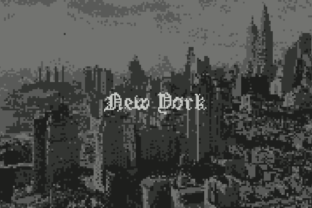
To evaluate Pixeled English effectively, one must first understand its dual heritage. The font is not merely a standard pixel font; it is a stylized interpretation of traditional serif structures rendered in a low-resolution, bitmap format. The influence of William Caslon, often referred to as the "father of English typography," is evident in the structural proportions and the subtle serifs that define the letterforms. However, instead of smooth curves and precise vector lines, these features are reconstructed using discrete square pixels.
This design choice creates a distinct visual tension. The underlying structure suggests the authority and readability of classical print, while the pixelated execution evokes nostalgia for early computing and video game culture. Additionally, the reference to Old English fonts adds a layer of decorative complexity. Unlike standard Caslon-inspired fonts, Pixeled English may feature more intricate crossbars and dense letterforms, which can lend a gothic or medieval feel to the text when scaled appropriately. This combination results in a typeface that feels both historic and retro-digital, offering a specific mood that few other fonts can replicate.
Why Consider Pixeled English?
Designers and content creators might consider Pixeled English for several strategic reasons. The primary driver is usually the desire for strong brand differentiation. In a market saturated with clean sans-serifs and standard geometric fonts, a pixel-based serif offers immediate visual contrast. It signals a blend of sophistication and playfulness, which can be particularly effective for brands targeting audiences who appreciate both history and technology.
- Nostalgic Appeal: The bitmap nature of the font taps into the cultural memory of 8-bit and 16-bit eras, resonating with gamers and tech enthusiasts.
- Historical Resonance: The Caslon and Old English influences provide a sense of tradition and legitimacy, preventing the font from feeling purely cartoonish.
- Visual Texture: Pixel fonts create a natural texture that can add depth to minimalist designs without requiring complex background graphics.
Furthermore, for projects involving gaming, retro-themed websites, or educational materials about digital history, Pixeled English serves as a highly relevant stylistic choice. It allows designers to communicate a specific era or subculture instantly through typography alone.
Benefits and Tradeoffs
While Pixeled English offers distinct advantages, it also comes with inherent tradeoffs that must be weighed during the selection process. Understanding these factors is crucial for determining if the font aligns with your project's technical and aesthetic goals.
The Benefits
The most significant benefit of Pixeled English is its legibility at larger sizes. Because it is designed as a bitmap font, the edges remain crisp regardless of scaling up to a certain point. This makes it excellent for headlines, logos, and display text where clarity and impact are paramount. The deliberate blockiness ensures that the letters do not blur or anti-alias excessively on screens, maintaining a sharp, intentional look. Additionally, the unique character set can serve as a memorable brand asset, helping products stand out in crowded digital feeds.
The Tradeoffs
The primary limitation of any bitmap font, including Pixeled English, is scalability. Bitmap fonts are optimized for specific point sizes. If you attempt to scale them down significantly, they may become difficult to read or lose their intended shape. Conversely, scaling them beyond their native resolution can result in jagged, aliased edges that look unprofessional on high-DPI displays unless carefully managed. Furthermore, body text usage is generally discouraged. The density of the Old English-inspired details combined with the pixel grid can cause eye strain over long reading periods, reducing accessibility and user experience.
Another consideration is file size and compatibility. While modern web fonts have mitigated many legacy issues, bitmap fonts sometimes require specific rendering techniques or image-based fallbacks to ensure consistent appearance across different browsers and operating systems. This can add a layer of technical complexity to the development workflow.
Situational Fit: When to Use and When to Avoid
Determining whether Pixeled English is the right choice depends heavily on the context of the application. It is a specialized tool rather than a universal solution.
Strong Fits
Pixeled English is an excellent fit for:
- Display Headlines: Short, impactful titles for blogs, landing pages, or event posters.
- Gaming Interfaces: HUD elements, scoreboards, or dialogue boxes in retro-style games.
- Brand Logos: Companies looking to merge a tech-forward identity with a classic, trustworthy vibe.
- Thematic Decorations: Accents in newsletters or social media graphics that need a pop of personality.
In these scenarios, the font acts as a focal point. Its unique character enhances the theme without overwhelming the user, provided it is used sparingly.
When to Consider Alternatives
There are clear situations where Pixeled English may not be suitable. If your project requires extensive body copy, such as a news article, a legal document, or an e-book, this font will hinder readability. In such cases, a traditional Caslon derivative or a clean sans-serif would be more appropriate. Similarly, if your design needs to be highly accessible to users with visual impairments, the complex strokes of the Old English influence combined with pixelation may reduce legibility. In professional corporate environments where minimalism is valued, the retro-nostalgia of Pixeled English might clash with the desired tone of seriousness and efficiency.
Practical Decision-Making Insights
When evaluating Pixeled English against other options, consider the following practical steps. First, test the font at various sizes within your actual design environment. Check how it renders on mobile devices versus desktop monitors, as pixel alignment can vary based on screen density. Second, assess the contrast ratio. Ensure that the dark, dense pixels of the font stand out clearly against your chosen background colors. Poor contrast can exacerbate the legibility issues inherent in bitmap fonts.
It is also wise to compare Pixeled English with vector-based alternatives that mimic pixel art. Vector fonts offer infinite scalability but may lack the authentic "crunch" of true bitmap fonts. If authenticity is key, stick with Pixeled English. If flexibility is more important, a well-designed vector alternative might serve better. Finally, consider the emotional response you wish to evoke. Does the blend of Caslon elegance and 8-bit grit match your brand voice? If the answer is yes, Pixeled English can be a powerful addition to your toolkit. If the goal is pure neutrality or maximum readability, you should likely look elsewhere.
In conclusion, Pixeled English is a niche but compelling typeface that offers a unique aesthetic fusion. It is best utilized as a display element in contexts that celebrate retro-digital culture or historical-tech hybrids. By carefully weighing its benefits against its scalability limitations, designers can determine if it aligns with their specific creative and functional requirements.