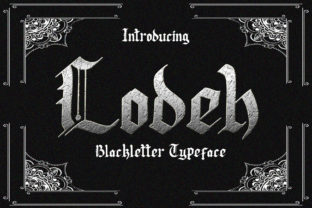
Lodeh Typeface Evaluation
In the landscape of digital typography, finding a typeface that captures the weight and historical gravity of traditional blackletter without sacrificing modern readability is a complex challenge. Lodeh has emerged as a significant option for designers seeking a distinct gothic aesthetic. It is not merely a decorative font but a carefully constructed display typeface that balances the ornate complexity of medieval scripts with contemporary design sensibilities. For professionals evaluating fonts for branding, editorial design, or creative projects, understanding the specific character of Lodeh is essential to determining its suitability for their visual identity.
Understanding the Aesthetic of Lodeh
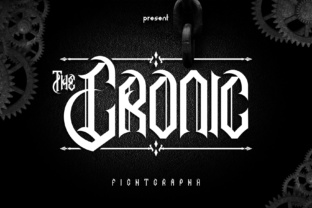
Lodeh is defined by its stunning blackletter structure, characterized by sharp angles, dense vertical stems, and intricate interplay between positive and negative space. Unlike some rigid historical revivals that can feel stiff or overly academic, Lodeh introduces a fluidity that gives it a unique vintage feel. The font draws inspiration from the heavy ink strokes and dramatic contrast found in early printing presses, yet it maintains a clarity that allows it to function effectively in modern layouts.
The "gothic" classification here refers to the Fraktur and Textura traditions, which dominated Western Europe during the Middle Ages and Renaissance. However, Lodeh softens these edges slightly, offering a version that feels curated rather than archaic. This balance makes it particularly appealing for projects that require authority and tradition but need to remain accessible to a contemporary audience. The one-of-a-kind vintage feel is achieved through subtle variations in stroke width and a deliberate attention to the rhythm of the letterforms, ensuring that text does not appear as a solid block of noise but as a structured, readable composition.
Primary Use Cases and Applications
When considering Lodeh, it is crucial to identify the contexts where its visual weight adds value rather than clutter. Due to its high-impact appearance, this typeface is rarely used for body copy in long-form reading. Instead, it excels in display settings where immediate visual engagement is required.
- Branding and Logos: Brands in the craft beverage industry, such as breweries and distilleries, often utilize Lodeh to evoke heritage and artisanal quality. Its strong presence works well for primary logos where legibility at larger scales is maintained.
- Editorial Headlines: Magazines and newspapers may use Lodeh for section headers or pull quotes to create a sense of gravitas. It commands attention and differentiates the content from standard sans-serif or serif bodies.
- Packaging Design: For products aiming to stand out on shelves with a retro or premium appeal, Lodeh provides the necessary visual punch. Its intricate details reward close inspection, making it ideal for labels and posters.
- Event Typography: Concerts, festivals, and theatrical productions benefit from the dramatic flair of blackletter. Lodeh offers a sophisticated alternative to more aggressive metal-style fonts, fitting themes related to history, mystery, or classic literature.
Evaluating Benefits and Tradeoffs
Selecting a display font involves weighing its stylistic advantages against practical limitations. Lodeh presents a clear set of benefits and considerations that designers must navigate.
Benefits
The most significant advantage of Lodeh is its distinctive character. In a market saturated with clean, minimalist sans-serifs, Lodeh offers an immediate point of differentiation. It communicates specific emotional cues: tradition, elegance, and seriousness. Furthermore, its versatility within the gothic genre allows it to bridge the gap between strict historical accuracy and modern graphic design trends. It is robust enough to hold its own against bold imagery and colorful backgrounds without losing its structural integrity.
Tradeoffs and Considerations
However, the density of blackletter fonts inherently limits their utility. Legibility is the primary concern. Using Lodeh for extended paragraphs of text will likely result in reader fatigue due to the visual complexity of the letters. Additionally, kerning and spacing require careful management; unlike geometric sans-serifs, blackletters have irregular spacing needs to prevent letters from merging visually. Designers must be prepared to invest time in manual adjustments to ensure optimal spacing, especially when using ligatures or special characters.
Another consideration is contextual appropriateness. Because Lodeh carries strong cultural associations with European history, it must be used respectfully and accurately. Misapplication in inappropriate contexts can lead to unintended connotations. Therefore, thorough research into the project's thematic alignment is necessary before finalizing the font choice.
Situational Fit: When to Choose Lodeh vs. Alternatives
To make an informed decision, it is helpful to compare Lodeh against other typographic options based on specific project goals.
Choose Lodeh if:
- The project requires a strong, memorable headline that evokes heritage or craftsmanship.
- The target audience appreciates detailed, ornate design elements.
- The layout allows for ample white space around the text, preventing visual congestion.
- The brand voice is authoritative, traditional, or mysterious.
Consider alternatives if:
- High Readability is Priority: If the content involves dense information or mobile-first designs where screen real estate is limited, a highly legible sans-serif or humanist serif would be more appropriate. Fonts like Helvetica or Garamond offer superior readability for long texts.
- Modern Minimalism is Desired: For brands aiming for a sleek, tech-forward, or ultra-clean aesthetic, the ornate nature of Lodeh may clash with the desired image. In such cases, geometric sans-serifs provide the necessary simplicity.
- Accessibility is Critical: While Lodeh is beautiful, blackletter fonts can pose challenges for users with dyslexia or visual impairments. If accessibility standards (such as WCAG) are a primary constraint, simpler typefaces with clear letter differentiation are safer choices.
Practical Decision-Making Insights
Evaluating Lodeh should not stop at viewing sample text. To truly understand how the font will perform in your specific context, consider the following practical steps:
First, test scale variability. View the font at both large display sizes and smaller subhead sizes. Ensure that the intricate details do not break down or become muddy when scaled down. Second, evaluate pairing potential. Lodeh is a dominant typeface; it needs a complementary partner for body text. Typically, a neutral sans-serif or a simple serif works best to balance the visual weight. Third, assess the color palette. Blackletter fonts often look best in high-contrast scenarios, such as dark text on light backgrounds or vice versa. Evaluate how the font interacts with your specific color scheme.
Ultimately, Lodeh is a powerful tool for designers who need to inject personality and historical resonance into their work. It is not a universal solution but a specialized instrument. By carefully assessing the tradeoffs between aesthetic impact and functional readability, designers can determine whether Lodeh aligns with their creative goals. When used judiciously, it transforms ordinary layouts into striking visual statements that capture the viewer’s attention and convey a sense of timeless elegance.