The Raw Power of Squealer: Why This Hard-Rock Typeface Defines Edgy Displays
In the saturated landscape of graphic design and visual branding, standing out requires more than just a catchy slogan or a vibrant color palette. It demands a typographic voice that commands attention from the first glance. Enter Squealer, a typeface that doesn’t just sit on the page—it screams. As a hard-rock black letter headliner, Squealer is engineered for impact, offering designers and brands the perfect tool to convey aggression, rebellion, and high-energy aesthetics.
Whether you are designing a concert poster for a heavy metal band, creating packaging for an energy drink, or crafting a logo for a streetwear brand, the choice of typography sets the tone before the viewer even reads the text. Squealer fills a very specific niche in the market: it is bold, unapologetic, and undeniably loud. But what makes this font so effective, and how can you leverage its unique characteristics to elevate your projects?
Deconstructing the Aesthetic: What Makes Squealer Unique?
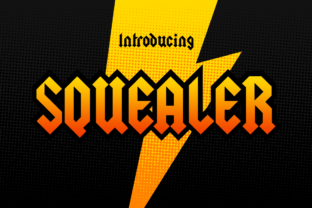
To understand why Squealer is the go-to choice for edgy displays, we have to look at its structural DNA. Unlike traditional serif or sans-serif fonts that prioritize readability above all else, display fonts like Squealer prioritize personality. The "black letter" classification often evokes medieval manuscripts or gothic architecture, but Squealer reinterprets this heritage through a modern, rock-and-roll lens.
The glyphs are thick, angular, and dense. They occupy space aggressively, leaving little room for ambiguity. When you set text in Squealer, you are making a statement about volume and power. The sharp serifs and exaggerated strokes mimic the distortion of an electric guitar amp turned up to eleven. This visual noise creates an immediate association with the hard-rock genre, making it an intuitive choice for related industries.
However, Squealer isn't just about being "loud." It’s about controlled chaos. The spacing (kerning) and weight distribution are carefully balanced to ensure that while the letters feel jagged and intense, they remain legible enough to be read quickly. In the fast-paced world of digital advertising or physical signage, where a viewer might only glance at your content for a fraction of a second, this balance is crucial. Squealer grabs the eye, but it also delivers the message.
The Psychology of Heavy Typography
Typography psychology plays a massive role in consumer behavior. Heavy, black-letter fonts trigger subconscious associations with strength, tradition, and sometimes, danger. For brands looking to tap into subcultures—whether that’s motorsports, extreme sports, or alternative fashion—Squealer acts as a cultural shorthand. It signals to the audience that this brand understands their values: authenticity, intensity, and a rejection of the mundane.
Consider the difference between using a clean Helvetica headline versus a heavy Squealer headline for a skateboarding company. Helvetica says "clean," "corporate," and "safe." Squealer says "grit," "action," and "authentic." By choosing Squealer, you are filtering your audience, attracting those who resonate with that raw energy while repelling those who prefer minimalism. This is not a bug; it is a feature. Effective marketing speaks directly to its core demographic.
Practical Applications in Modern Design
So, where does Squealer fit best in today’s design workflow? While it might seem limiting due to its strong personality, its versatility lies in its application as a display font rather than a body text font. Here are some scenarios where Squealer shines:
- Music Industry Assets: Album covers, tour posters, and ticket stubs are the natural habitat of Squealer. Its aesthetic aligns perfectly with genres like punk, metal, grunge, and hard rock. Bands looking to project a rebellious image will find their visual identity amplified by this typeface.
- Event Branding: Festivals, concerts, and nightlife events thrive on excitement. Using Squealer for event titles creates a sense of urgency and spectacle. It promises an experience that is visceral and unforgettable.
- Product Packaging: Think craft beers, hot sauces, or gaming peripherals. These products compete on shelves for impulse buys. A package featuring Squealer stands out against competitors using softer, friendlier fonts. It suggests a product with a kick, both literally and figuratively.
- Digital Headers and Banners: On websites, especially those targeting younger demographics or niche communities, Squealer works exceptionally well for hero images and call-to-action buttons. It breaks the monotony of standard web layouts and injects personality into the user interface.
One practical tip for designers working with Squealer: use it sparingly. Because the font is so visually dominant, it can overwhelm a layout if overused. Reserve it for headlines, logos, and key phrases. Let lighter, simpler fonts handle the explanatory text. This contrast ensures that the Squealer elements pop without causing visual fatigue.
Technical Considerations and Best Practices
Adopting a specialized display font like Squealer comes with technical responsibilities. To get the most out of this typeface, you need to pay attention to resolution, spacing, and context.
Resolution Matters: Due to the intricate details and sharp angles of black letter styles, low-resolution outputs can make Squealer look muddy or pixelated. Always ensure you are working with high-DPI assets, especially if the final output involves large-format printing like billboards or banners. Vector formats (like SVG or EPS) are ideal for logos to maintain crispness at any scale.
Contrast is Key: Squealer performs best against simple backgrounds. Avoid busy textures or complex patterns behind the text, as the dense letterforms will clash with the background noise. Solid colors, gradients, or subtle textures work best. High-contrast color pairings—such as white text on black, or neon yellow on dark gray—enhance the "edgy" vibe and improve readability.
Kerning and Tracking: Black letter fonts often require manual adjustment of letter spacing. The default tracking might feel too tight, causing the thick strokes to merge together, or too loose, breaking the cohesive shape of the words. Take the time to fine-tune the kerning pairs, especially around characters with descending or ascending descenders. Proper spacing allows the individual character shapes to breathe, maintaining the intended aggressive aesthetic without becoming illegible.
Why Choose Squealer Over Alternatives?
You might wonder why you shouldn't just use a generic "gothic" font found in standard software suites. The answer lies in specificity and quality. Generic fonts often lack the refined details and consistent weight distribution that professional display fonts offer. Squealer has been crafted with a specific intent: to evoke the feeling of hard rock culture.
Furthermore, licensing and support matter. Professional typefaces like Squealer come with clear usage rights, ensuring you can use them commercially without legal hiccups. They also often include multiple weights and stylistic alternates, giving you more flexibility in your design process. You might have access to condensed versions for tight spaces or extended versions for wide headers, allowing you to adapt the font to various layout constraints while keeping the core identity intact.
Building a Cohesive Visual Identity
Integrating Squealer into a broader brand strategy requires thoughtfulness. It shouldn't stand alone. Pair it with complementary design elements that reinforce the theme. If you are using Squealer for a band's logo, consider incorporating imagery that matches its energy—distressed textures, lightning bolts, or abstract geometric shapes. The goal is to create a holistic experience where the typography, imagery, and color palette all speak the same language.
For example, a craft brewery launching a new IPA could use Squealer for the word "IPA" to suggest a strong, bold flavor profile, while using a cleaner, hand-drawn script for the brewery name to add a touch of artisanal charm. This juxtaposition creates visual interest and tells a more nuanced story about the brand.
Final Thoughts on Embracing the Edge
In a design world that often leans towards minimalism and flat design, there is still a powerful place for excess, texture, and attitude. Squealer represents that counter-movement. It is a reminder that typography can be an emotional instrument, capable of stirring feelings of excitement, defiance, and passion.
If your project demands attention, if your brand needs to shout rather than whisper, Squealer is the microphone you’ve been looking for. It is not just a font; it is a design decision that declares your intentions clearly. By understanding its strengths, respecting its limitations, and applying it with strategic precision, you can create displays that are not only seen but felt. In the end, the best designs are those that leave an impression, and few things leave an impression quite like the raw, unfiltered power of Squealer.
As you move forward with your next creative endeavor, consider the voice you want your visuals to have. Do you want to blend in, or do you want to break through the noise? If the latter sounds appealing, let Squealer lead the charge. Its heavy strokes and bold presence are ready to define your brand’s edge, turning ordinary communications into extraordinary statements.